

Popular Software Developer Cover Letter Examples
Entry-Level Software Developer Cover Letter
Ideal for recent graduates in computer science or individuals with one or two years of programming experience, this entry-level cover letter template allows applicants to highlight their technical skills, project achievements, and eagerness to contribute to a dynamic development team while maintaining a friendly and informative tone.

Showcases a keen adaptability and foundational coding skills, illustrating the applicant's enthusiasm for professional development while offering innovative solutions and insights to improve collaboration within established software development teams
Experienced Software Developer Cover Letter
Perfect for experienced software developers with over a decade of expertise seeking to advance into leadership positions, take on specialized roles, or mentor junior developers while maintaining their commitment to innovative solutions and high-quality code.

Highlights proven technical leadership and demonstrates substantial software development experience, showcasing measurable contributions to project success, code quality improvements, and cross-functional collaboration that drives innovation within the organization
Software Developer Cover Letter Template
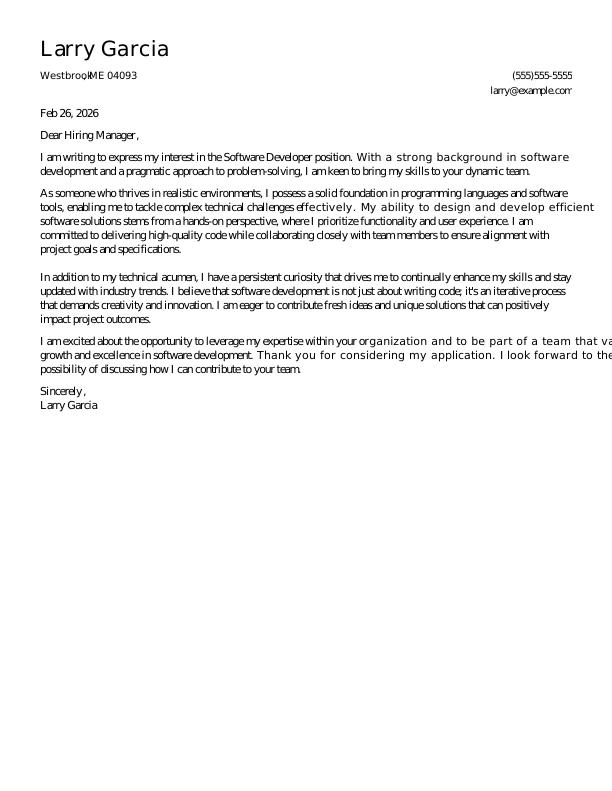
Ready to personalize a cover letter for your software developer career? Use the text version below to easily copy, and explore our comprehensive collection of cover letter templates to discover the perfect format tailored to your professional needs.
Larry Garcia
Westbrook, ME 04093
(555)555-5555
larry@example.com
Feb 26, 2026
Dear Hiring Manager,
I am writing to express my interest in the Software Developer position. With a strong background in software development and a pragmatic approach to problem-solving, I am keen to bring my skills to your dynamic team.
As someone who thrives in realistic environments, I possess a solid foundation in programming languages and software tools, enabling me to tackle complex technical challenges effectively. My ability to design and develop efficient software solutions stems from a hands-on perspective, where I prioritize functionality and user experience. I am committed to delivering high-quality code while collaborating closely with team members to ensure alignment with project goals and specifications.
In addition to my technical acumen, I have a persistent curiosity that drives me to continually enhance my skills and stay updated with industry trends. I believe that software development is not just about writing code; it's an iterative process that demands creativity and innovation. I am eager to contribute fresh ideas and unique solutions that can positively impact project outcomes.
I am excited about the opportunity to leverage my expertise within your organization and to be part of a team that values growth and excellence in software development. Thank you for considering my application. I look forward to the possibility of discussing how I can contribute to your team.
Sincerely,
Larry Garcia
Writing Your Software Developer Cover Letter
Our step-by-step guide on how to write a cover letter will assist you in showcasing your programming skills and innovative mindset. With our tips, you'll be able to present your unique qualifications in a way that drives decisions and lands interviews, helping you take the next step in your career.
Research & Personalize Your Approach
Before drafting your cover letter, invest time in researching the company you're applying to. Visit the website to understand its product offerings, read recent news or developments, and familiarize yourself with its core values and technological goals. This insight helps you personalize your application, illustrating your genuine interest in contributing to its mission.
When crafting your cover letter header, try to address it directly to the hiring manager or team leader by name if available. If no names are accessible, opt for specific alternatives such as "Dear Hiring Team" or "Dear [Company Name] Tech Department." A personalized approach signals professionalism and attention to detail.
To create a compelling cover letter, take the time to research trends or developments in your industry. By referencing a specific product update or opensource project, you demonstrate that you're not only informed but also genuinely enthusiastic about your role and industry.
Craft a Compelling Introduction
Begin your cover letter with a compelling statement that highlights your relevant skills and genuine passion for software development. Capture the reader’s attention by briefly mentioning a key accomplishment or experience that aligns with their needs. This sets the tone and shows you understand what they are looking for in a applicant.
Strong opening example
With six years of experience in software development and specialized training in agile methodologies, I am eager to apply my expertise in creating efficient solutions for the software developer position at Tech Innovations Inc., where I can contribute my passion for building user-friendly applications that improve productivity.
Highlight Relevant Skills Strategically
Highlight two or three qualifications that align with the job requirements for the software developer position. Instead of presenting a long list of all your skills, focus on the most relevant ones and share specific examples where you applied these skills in previous projects or roles to drive successful outcomes. Additionally, using bullet points on your cover letter can improve clarity and help your standout qualifications catch the hiring manager's attention more easily.
Essential skills to emphasize
- Skill in programming languages
- Software design skills
- Version control systems expertise
- Problem-solving abilities
- Agile development knowledge
- Collaboration and teamwork skills
- Attention to detail in coding
- Effective communication techniques
- Adaptability to new technologies
- User experience awareness
Improve your job application by using a professional cover letter template from Google Docs or Microsoft Word. These templates ensure clean, polished formatting, allowing you to focus on highlighting your software development skills and experiences tailored for each specific role.
Demonstrate Measurable Contributions
In a software developer cover letter, showcasing quantifiable results is key to standing out. Highlight specific metrics that demonstrate your contributions, such as improved application performance percentages or reduced bug rates. These numbers help hiring managers see the tangible benefits you bring to their team, making it easier for them to envision your potential impact on their projects and goals.
Examples of quantifiable achievements
- Developed and launched 3 successful software applications, resulting in a 40% reduction in processing time
- Increased code efficiency by 35% through refactoring and optimization efforts
- Collaborated with cross-functional teams to deliver projects on time, achieving a 95% success rate
- Conducted code reviews that improved bug detection rates by 50%
- Mentored 4 junior developers, improving their skills and leading to a 30% increase in team productivity
Address Special Circumstances Effectively
If you're making a career transition to software development, acknowledge this briefly in your cover letter while focusing on the skills and experiences that make you an asset. Emphasize how your unique background improves your problem-solving abilities and coding perspectives.
For new graduates, highlight relevant coursework, internships, and projects that showcase your technical skills and passion for software development. If you’re transitioning from another field, connect previous roles to transferable skills such as teamwork or analytical thinking, demonstrating your commitment to excelling in the tech industry.
If you need to explain time away from work, do so succinctly and pivot to your strengths. Focus on value, not on defending your timeline.
Close With Confidence & Next Steps
Your cover letter closing should encapsulate your enthusiasm for the software developer position and request an interview. Mention specific times you're available for a meeting while reiterating how your skills can drive the company's success. A compelling closing leaves hiring managers excited to dive deeper into your qualifications and potential contributions.
Professional closing example
I am grateful for the opportunity to discuss how my experience in software development and my dedication to delivering innovative solutions align with the goals of [Company Name]. I am available for an interview at your convenience and look forward to the chance to contribute to the exciting projects at [Company Name].
5 Cover Letter Formatting Tips
- Use standard business letter format
When crafting a cover letter format for a software developer position, start with a standard business letter format. Place your contact information at the top, followed by the date and the employer's details. Choose a professional font like Arial or Times New Roman in 11-12 point size. Maintain one-inch margins and use single spacing between lines to ensure clarity and professionalism throughout your cover letter.
- Keep it to one page
Hiring managers can sort through hundreds of resumes for each role, so it's important to communicate clearly and concisely. A one-page limit encourages you to highlight your most relevant skills and accomplishments for the software developer role, ensuring that your key qualifications stand out in a competitive field.
- Create clear paragraph breaks
To create a compelling cover letter as a software developer, structure your content into three or four distinct paragraphs. Start with an engaging opening hook that captures attention. Follow with body paragraphs that highlight your relevant qualifications and experiences. Conclude with a strong closing statement. Use white space effectively to improve readability and make the letter easy to scan quickly.
- Match your resume design
When crafting your software developer cover letter, make sure its header and overall design align with your resume. A cohesive application package demonstrates professionalism and meticulousness, traits that employers highly regard. Consistent formatting not only improves readability but also reflects your attention to detail, setting you apart in a competitive field.
- Proofread thoroughly
As a software developer, precision matters. Errors in your cover letter can undermine your professionalism and attention to detail, which are important in this field. To ensure accuracy, read your letter aloud, use spell-check tools, and ask a trusted colleague for feedback. Remember, even minor mistakes can lead to disqualification from the job process.
Tools for Your Job Search
Ready to take the next step in your software development career? Our AI Cover Letter Generator crafts personalized cover letters tailored to your unique skills and the specific company you're applying to. This tool makes it easy for you to showcase your technical expertise and stand out from the competition.
Need help with your resume? Our comprehensive resume support includes an ATS Resume Checker that offers insights on how well your resume meets automated screening criteria used by many tech companies. Plus, our AI Resume Builder provides smart content suggestions and beautifully designed templates, ensuring that your software development experience is highlighted for hiring managers.
Frequently Asked Questions
Last Updated: March 2, 2026
A cover letter should be one page long, typically structured into three or four paragraphs. This format allows you to convey your relevant skills and passion for the software developer position without overwhelming hiring managers with too much information.
Understanding how long a cover letter should be is essential for achieving a balance between thoroughness and respecting recruiters' limited review time. Since they often have only a few minutes to assess each application, being concise helps ensure that your most important qualifications shine through while maintaining their interest in your candidacy.
The difference between a cover letter and a resume is related to the purpose they each serve. A resume for a software developer presents your technical skills and experiences in a structured way, highlighting the programming languages you know and projects you've completed. It's about the "what"—what specific technologies you're skilled in, what roles you've held, and what achievements you've accomplished. In contrast, your cover letter focuses on the "why" and "how"—why you're drawn to software development, how your experience aligns with this particular role, and why you’re excited to join the team at this company. T
Grasping the cover letter vs resume distinction helps you decide how to use each document more purposefully. While your resume highlights qualifications, your cover letter reveals motivations and suitability for the position. This thoughtful approach ensures your application demonstrates both expertise and enthusiasm for the role.
Submitting a cover letter, even when it's optional, shows that you're willing to invest extra effort into your application. This added touch allows employers to gauge not only your technical skills but also your communication abilities and genuine interest in the role. It’s an opportunity to highlight what makes you uniquely qualified for the position.
The purpose of a cover letter is to provide context for your resume and convey your enthusiasm. Consider this scenario: two equally qualified software developers apply for the same job, but one includes a well-crafted cover letter detailing their passion for coding and specific projects they've worked on. Which applicant do you think stands out more? Always include a cover letter when in doubt—it's your chance to make a personal connection that could set you apart from the competition.
A well-structured cover letter should be clear, professional, and easy to read. It should follow a standard business letter format with your contact information at the top, followed by the date and the recipient's details. Use a clean font such as Arial or Times New Roman in sizes 11 or 12. Maintain standard margins and ensure single spacing between lines for an organized look.
If you're asking what does a cover letter look like, it typically features a distinct header, a personalized greeting, and 3-4 concise paragraphs in the body. The closing should include your signature to create a polished finish. This layout not only improves readability but also presents your application in the best light to potential employers.


Hailey is a career writer whose work for Resume Now helped job seekers excel in their careers.
More resources
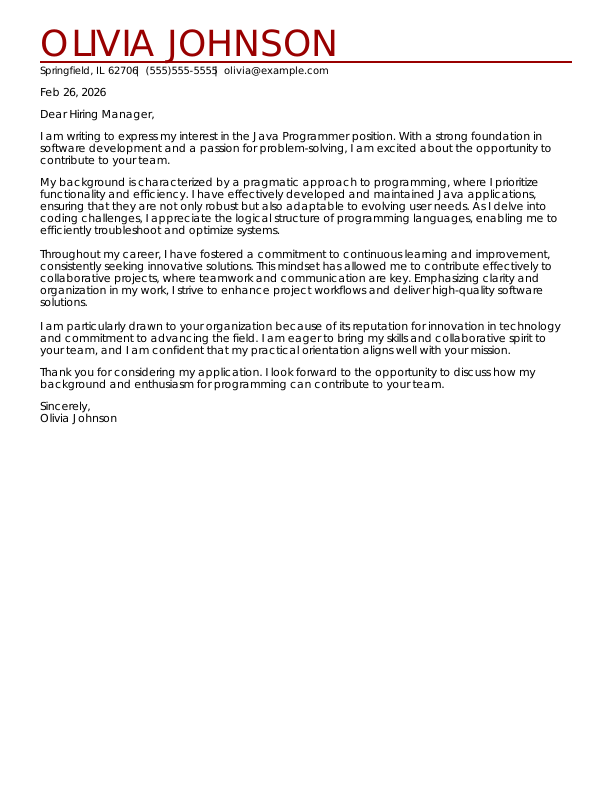
Java Programmer Cover Letter: Examples & Templates
As a Java programmer you know that employers value strong cod...

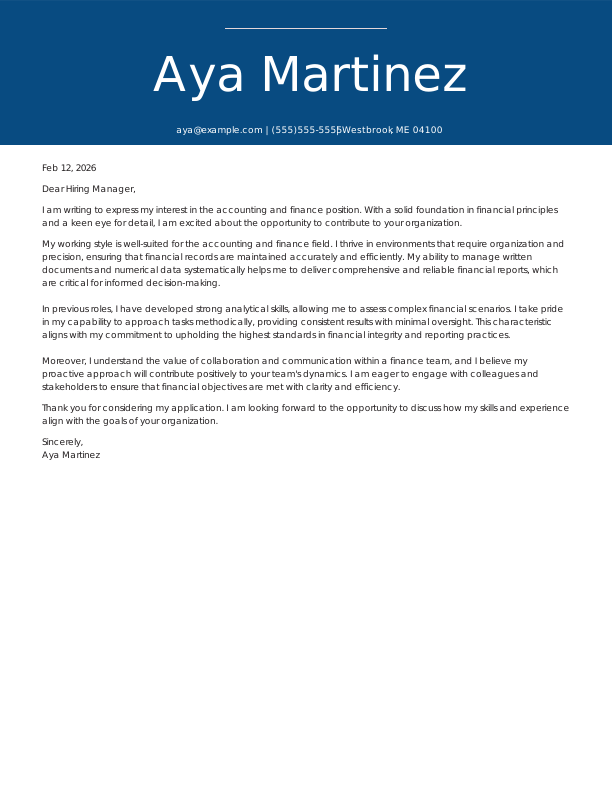
Accounting And Finance Cover Letter: Examples & Templates
As an accounting and finance professional you need a cover le...

Professional DSP Cover Letter Example & Writing Guide
When you are searching for jobs do not fall into the trap of ...


MBA Cover Letter: Examples, Templates + Tips
Get inspired with our MBA cover letter examples templates and...
 Get the job 2x faster*
  Customize your cover letter