


Table of contents
You may have heard about hard and soft skills, but do you know what sets them apart?
If not, don't worry! We'll teach you the differences between soft skills vs hard skills so you can improve your resume and successfully communicate your qualifications to employers.
Here's what you'll find on this page:
- The difference between hard skills and soft skills
- Hard skills vs soft skills examples for your resume
- The importance of both hard skills and soft skills
- How employers evaluate hard and soft skills differently
- How to improve and expand your balanced skill set
- How to include hard and soft skills on your resume
Want to quickly update your resume? Consider using our AI Resume Builder. Whether you want to simply add new hard and soft skills to your current resume or start a new one altogether, we can help you get it done in just a few clicks. Try it today!
What Is the Difference Between Hard & Soft Skills?
The difference between hard and soft skills is that hard skills are teachable, measurable abilities, while soft skills are personal traits that shape how you work.
- Hard skills are technical abilities you learn through education, training, or hands-on experience, such as coding, data analysis, or using specific tools and software.
- Soft skills are interpersonal qualities that influence how you communicate, collaborate, and solve problems, such as teamwork, adaptability, and communication.
Think of it this way: Hard skills, such as technical abilities, allow you to perform very specific tasks. Meanwhile, soft skills, like communication, determine how you perform those tasks.
Hard vs Soft Skills at a Glance
Here's a quick comparison of hard skills vs soft skills, including how they're learned, measured, and applied in the workplace:
| Category | Hard Skills | Soft Skills |
|---|---|---|
| How they're learned | Through education, training programs, or certifications | Through life experience, practice, and self-awareness |
| How they're measured | Easily measurable with tests, certifications, or results | More subjective; evaluated through behavior and feedback |
| How they're applied | Used to perform specific technical tasks or job duties | Used to collaborate, communicate, and adapt in the workplace |
Now, let's jump into some examples of hard and soft skills to give you a better idea of how these skills work together to make you a strong candidate.
Hard Skills vs Soft Skills Examples
Examples of hard and soft skills show how technical abilities and personal traits work together on your resume. Explore key traits from each category below to understand their differences.
Top Hard Skills for the Workplace
The top hard skills for the workplace vary from job to job. For some roles, you may need a technical skill, like proficiency with a particular computer software. For others, it might be a deep knowledge of AP Style or customer service training.
Some hard skills, however, are consistently in demand across industries because they support common business needs like communication, analysis, and digital proficiency.
Here are 10 highly sought-after hard skills employers look for:
- Computer programming (e.g., Python, Java, SQL)
- Customer relationship management (CRM) software
- Cybersecurity
- Data analysis
- Digital marketing
- Financial analysis
- Foreign language proficiency
- Graphic design
- Project management
- Writing and editing
Top Soft Skills for the Workplace
Top soft skills for the workplace are the personal attributes that influence how you work with others and handle challenges on the job effectively and efficiently.
Just like with hard skills, there are thousands of options you could add to your resume. Read the job description to see if any are specifically called out, and include those if you possess them. If you need more inspiration, review our resume examples for more job-specific soft skills.
Here are 10 universally in-demand soft skills for the workplace:
- Adaptability
- Communication skills
- Conflict resolution
- Critical thinking
- Emotional intelligence
- Leadership
- Problem-solving
- Teamwork
- Time management
- Work ethic
Why You Need Hard & Soft Skills for Career Success
Hard and soft skills work together to determine your overall career success. Hard skills help you perform essential job tasks, while soft skills support collaboration and adaptability.
Employers value candidates who possess both sets of skills, as this balance leads to stronger performance, better teamwork, and long-term professional growth in any role.
Hard Skills Improve Knowledge & Capabilities
Hard skills provide the knowledge and technical capabilities needed to complete job-specific tasks accurately and efficiently. They prove you can handle core responsibilities and meet performance standards in your field.
For example, computer skills, such as using spreadsheets, coding, or operating industry-specific software, demonstrate technical proficiency.
Without soft skills to support communication and problem-solving, however, even strong technical expertise may be harder to apply effectively in real workplace situations.
Soft Skills Support Cultural Fit & Long-Term Success
Soft skills are key to fitting into a company's culture and building strong working relationships.
Skills like communication, adaptability, and emotional intelligence help you collaborate effectively and navigate workplace challenges.
Over time, these abilities support better teamwork, higher job satisfaction, and long-term career success within an organization.
How Employers Evaluate Hard & Soft Skills
Employers evaluate hard and soft skills by looking at both measurable qualifications and behavioral evidence. Hard skills are often assessed through resumes, certifications, tests, or work samples, while soft skills are judged during interviews and through past job performance.
Measuring Hard Skills
Employers measure hard skills by reviewing tangible proof of ability, such as degrees, certifications, and skills on your resume. They may also use skills tests, job simulations, or portfolio reviews to confirm proficiency.
In some cases, performance during probationary periods helps verify that you can apply your technical knowledge effectively on the job.
Assessing Soft Skills
Soft skills are harder to measure, so employers evaluate them through communication style and responses to behavioral interview questions. Past job performance and references also help employers understand how you work with others in real situations.
Hiring managers look for signs of teamwork, adaptability, problem-solving, and professionalism in how you answer questions during the hiring process and interact on the job.
How to Develop & Improve Your Skill Set
Developing and improving your skill set requires intentional effort to strengthen both hard and soft skills over time. Hard skills can be built through training, education, and practice, while soft skills improve through experience, feedback, and self-reflection.
Learn New Hard Skills
Learning new hard skills involves building technical knowledge through structured education, hands-on practice, and real-world application.
These skills are often job-specific and can be developed through courses, certifications, and consistent use of tools or software relevant to your field.
Ways to learn new hard skills include:
- Taking online courses or in-person classes
- Earning certifications in your industry
- Practicing with job-related tools and software
- Completing tutorials or guided training programs
- Applying new skills in real work or side projects
Cultivate Soft Skills
Cultivating soft skills means intentionally improving how you communicate, collaborate, and respond to challenges in the workplace.
Unlike hard skills, soft skills develop over time through experience, feedback, and self-awareness in everyday interactions.
Ways to cultivate soft skills include:
- Seeking feedback from coworkers or supervisors
- Practicing active listening and clear communication
- Improving time management and emotional awareness
- Taking on teamwork or leadership opportunities
- Reflecting on workplace interactions and outcomes
How to List Hard & Soft Skills on Your Resume
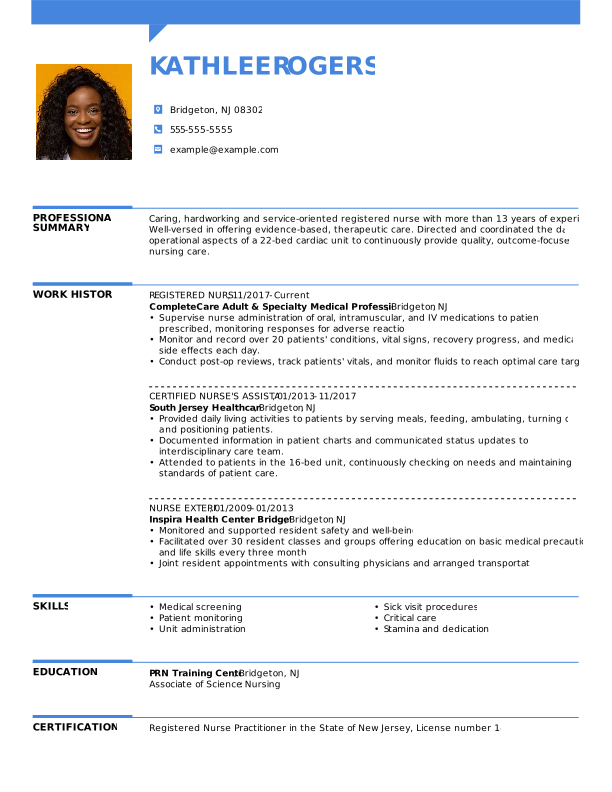
Any well-written resume includes an effective balance of hard and soft skills. List hard skills in a dedicated skills or technical section, and include soft skills either there or within your work experience.
The skills you decide to include must be relevant to the job, which means the balance between hard and soft skills on your resume can change from application to application.
Step #1
Read Job Descriptions Closely
Reading job descriptions closely helps you identify the exact hard and soft skills employers are looking for, so you can tailor your resume effectively.
Job ads contain relevant keywords, which are specific terms and phrases that employers use to describe the skills and qualifications they're looking for in a candidate.
By analyzing required qualifications and responsibilities, you can match your own experience to the role and highlight the most relevant skills. This increases your chances of passing applicant tracking systems (ATS) and getting noticed by hiring managers.
Here's an example job description with the skills bolded:
Job Description
:
We are seeking a
senior sales representative
with
strong communication skills
and a
proven track record in sales
. The ideal candidate will have
experience with CRM software
and
data analysis
. You will be responsible for
developing sales strategies
,
building client relationships
, and
meeting sales targets
.
Requirements
:
- Bachelor's degree in business or related field.
- Minimum of five years in sales.
- Proficiency in Excel and PowerPoint.
- Excellent negotiation and problem-solving abilities.
- Ability to work in a fast-paced environment.
Review the job ad and highlight the skills that seem like keywords. You can use a pen or the bold function in your word processor. Then, add the relevant skills to your resume.
Step #2
Create a Skills Section
Create a dedicated skills section on your resume to highlight your hard and soft skills.
When writing the skills section of your resume, be sure to include the hard skills that are most relevant to your role. When mentioning technical skills, like Google Analytics, only include the skills you're highly proficient in.
Finally, use bullet points to make the section easier to scan.
Step #3
Include Your Skills in a Summary or Objective
Including your skills in your resume summary or objective immediately highlights your most relevant hard and soft skills at the top of your resume. This section should briefly showcase your strongest qualifications and align them with the job description.
A resume summary should be between two and five sentences long and highlight your most relevant and impressive skills and accomplishments. If you're listing an accomplishment, highlight which skills you used to achieve success.
Similarly, a resume objective details your skills and enthusiasm for the position. Since a resume objective doesn't include work experience, it gives you ample space to include relevant hard and soft skills that make you a motivated candidate.
Pro tip
Use strong action verbs to describe your achievements and skills. Words like "developed," "implemented," "led," and "improved" can make your resume more dynamic and impactful.
Step #4
Include Skills in Your Work Experience
Including skills in your work experience section shows employers how you've applied both hard and soft skills in real-world situations. Instead of just listing abilities, demonstrate them through achievements, responsibilities, and results.
By detailing your responsibilities and accomplishments, you can draw a direct connection to the impact your skills had and underscore your value as an employee.
Ultimately, your resume shouldn't pit your skills against each other—your hard and soft skills should work together in harmony to showcase your strengths.
Pro tip
Help your resume pass ATS screening by incorporating keywords from the job description into your work experience section.
Key Takeaways
- Hard Skills Are Measurable & Teachable
Hard skills can be learned through education, training, and certifications. These skills are quantifiable and often tested in professional settings. - Soft Skills Are Interpersonal & Behavioral
Soft skills relate to how you interact with others and handle various situations. They're often more challenging to measure but are crucial for effective collaboration. - Hard & Soft Skills Support Career Success
Career success depends on combining hard and soft skills, as hard skills enable you to complete technical tasks while soft skills support collaboration, adaptability, and long-term growth. - Employers Evaluate Hard & Soft Skills Differently
Employers assess hard skills through measurable evidence like resumes, certifications, and tests, while soft skills are evaluated through interviews, behavioral responses, and past performance. - Develop & Improve Your Skill Set to Stand Out
Improving your skill set requires continuous effort, with hard skills developed through education and training, and soft skills strengthened through experience, feedback, and self-reflection. - A Strong Resume Includes a Mix of Both
A well-rounded resume showcases a balance of hard and soft skills. This combination demonstrates that you have the technical expertise needed for the job. - Always Tailor Your Skills to Match the Job Description
Customize your resume for each job application by aligning your skills with the specific requirements of the job description.
FAQ
What are 5 hard skills and soft skills?
- Computer programming
- Data analysis
- Digital marketing
- Foreign language proficiency
- Project management
Here are five examples of hard skills (technical, teachable abilities):
Here are five examples of soft skills (interpersonal traits):
- Adaptability
- Communication
- Problem-solving
- Teamwork
- Time management
Both hard skills and soft skills are important for career success because they show what you can do on the job and how well you work with others.
How do I identify my hard and soft skills?
- Review job descriptions and match the required skills to your experience.
- Look at past performance reviews or feedback to identify your strengths.
- Think about tasks you do well and tools you use confidently.
- Reflect on how you handle teamwork, communication, and challenges.
- Ask coworkers or supervisors for input on your strengths.
You can identify your hard and soft skills by reviewing your experience, accomplishments, and feedback from others. Here's a closer look at how to evaluate your skill set:
What is a hard skill example?
A hard skill example is a specific, teachable ability that can be measured or tested, such as Excel skills, computer programming, or data analysis.
These skills are typically learned through education, training, or on-the-job experience and demonstrate your ability to perform particular job-related tasks accurately and efficiently.
For example, using Excel to create spreadsheets, write formulas, and analyze data is a common hard skill used across many industries.
Should I separate hard and soft skills on my resume?
You should separate hard and soft skills on your resume to make your qualifications easier for employers to quickly scan and evaluate.
Hard skills are best listed in a dedicated skills or technical section, while soft skills can be included in their own section or shown within your work experience.
Demonstrating soft skills through accomplishments and responsibilities helps provide context and makes your resume more impactful and credible.
What are the 7 soft skills?
Seven soft skills that are highly sought-after by employers are communication, teamwork, adaptability, problem-solving, time management, leadership, and emotional intelligence.
These skills are essential because they shape how you interact with others, manage responsibilities, and respond to challenges in the workplace.
Employers value them since they contribute to collaboration, productivity, and workplace success across industries and roles.


Don is a Certified Professional Resume Writer (CPRW) with more than 10 years' experience creating digital content, including four years helping job seekers develop their careers.
More resources

50+ Resume Statistics Job Seekers Need to Know in 2026
If you want to be a competitive applicant you need to be on t...


What If I Don't Have Professional References?
Access advice on what to do if you get to the reference check ...
How and Why Do Employers Check References?
The answer? Yes if the company is truly serious about hiring ...

How To Handle A Lapse In Your Employment History
Spending time out of the workforce is normal. Our guide will s...

 Get the job 2x faster*
  Customize your cover letter