


Popular Painter Cover Letter Examples
Entry-Level Painter Cover Letter
Ideal for recent art school graduates or individuals with one or two years of creative experience who wish to express their artistic skills, project accomplishments, and passion for beginning their journey in the painting field while maintaining a friendly and informative tone.

Showcases the applicant's artistic skills and relevant hands-on experience while conveying a strong enthusiasm for delivering high-quality work and contributing to creative projects from day one
Experienced Painter Cover Letter
This cover letter template is perfect for experienced painters with over 10 years of expertise looking to take on leadership roles, explore specialized projects, or mentor emerging artists while continuing to showcase their artistic talents and maintain high standards in their craft.

Highlights strong artistic leadership and showcases extensive painting experience with measurable impacts on project outcomes, client satisfaction, and contributions to collaborative art initiatives within the community
More cover letter examples
Painter Cover Letter Template
Looking to create a standout cover letter? Feel free to copy the text version below or explore our diverse collection of cover letter templates to find the ideal format for your painting career.
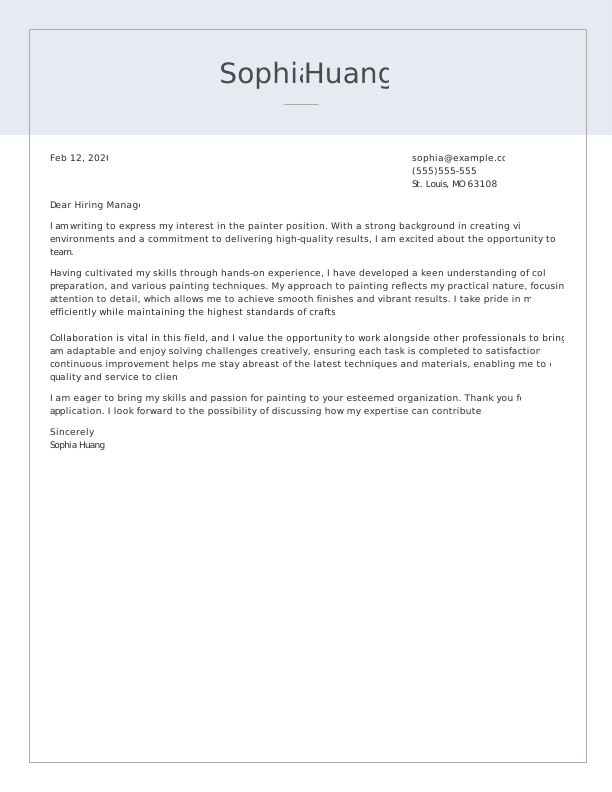
Sophia Huang
St. Louis, MO 63108
(555)555-5555
sophia@example.com
Feb 12, 2026
Dear Hiring Manager,
I am writing to express my interest in the painter position. With a strong background in creating visually appealing environments and a commitment to delivering high-quality results, I am excited about the opportunity to contribute to your team.
Having cultivated my skills through hands-on experience, I have developed a keen understanding of color theory, surface preparation, and various painting techniques. My approach to painting reflects my practical nature, focusing on precision and attention to detail, which allows me to achieve smooth finishes and vibrant results. I take pride in my ability to work efficiently while maintaining the highest standards of craftsmanship.
Collaboration is vital in this field, and I value the opportunity to work alongside other professionals to bring projects to life. I am adaptable and enjoy solving challenges creatively, ensuring each task is completed to satisfaction. My dedication to continuous improvement helps me stay abreast of the latest techniques and materials, enabling me to deliver exceptional quality and service to clients.
I am eager to bring my skills and passion for painting to your esteemed organization. Thank you for considering my application. I look forward to the possibility of discussing how my expertise can contribute to your team.
Sincerely,
Sophia Huang
Writing Your Painter Cover Letter
Are you ready to craft a painter cover letter that catches the eye of potential employers? Our detailed guide on how to write a cover letter will assist you in highlighting your artistic skills and creativity in a way that resonates with hiring managers. With the right approach, you can showcase your unique talents and secure those valuable opportunities in the painting industry.
Research & Personalize Your Approach
Before creating your cover letter, spend time researching the painting company or studio you're applying to. Visit the organization's website to learn about their recent projects, artistic style, and client testimonials. Understanding its values, culture, and artistic goals will help you customize your message and convey genuine enthusiasm.
When formatting your cover letter header, aim to address it directly to the hiring manager or lead artist if you can find their names. If that information isn't available, consider using alternatives like "Dear Hiring Committee" or "Dear [Company Name] Team" instead of generic greetings. This personalized approach in your cover letter header demonstrates professionalism and attention to detail.
Before submitting your painter cover letter, look up recent projects or exhibitions the company has completed. Highlighting specific works or accolades not only showcases your research but also demonstrates your enthusiasm for contributing to the organization's artistic vision.
Craft a Compelling Introduction
Start your cover letter with a compelling statement that highlights your artistic background and passion for painting. For instance, you might say, "As a dedicated painter with over five years of experience in diverse styles, I am excited to bring my creativity and vision to your esteemed gallery." This approach immediately showcases your credentials while aligning your skills with the employer's needs.
Strong opening example
With seven years of professional painting experience and specialized training in color theory and eco-friendly techniques, I am eager to bring my artistic vision and attention to detail to the painter position at Artistic Interiors.
Highlight Relevant Skills Strategically
Highlight two or three key qualifications that are essential for the painter role. Instead of overwhelming the reader with every skill, select the most relevant and share specific examples of how you've applied them in past projects. This could include your experience with color theory or technique mastery. Additionally, using bullet points on your cover letter can improve clarity and help showcase your strengths more clearly.
Essential skills to emphasize
- Surface preparation techniques
- Color theory application
- Attention to detail
- Time management skills
- Customer communication skills
- Knowledge of painting tools and materials
- Creativity and artistic flair
- Problem-solving abilities
- Safety compliance awareness
- Team collaboration experience
Boost your efficiency by using a professional cover letter template from Google Docs or Microsoft Word. These templates guarantee clean and polished formatting, allowing you to concentrate on showcasing your painting skills and experience for each unique job opportunity.
Demonstrate Measurable Contributions
When applying for a painter position, it's essential to highlight your measurable achievements. Employers appreciate applicants who can demonstrate their impact through specific metrics, such as the square footage of projects completed or the reduction in costs achieved by efficient material use. These numbers help hiring managers envision the value you bring to the team.
Examples of quantifiable achievements
- Increased client satisfaction ratings by 30% through consistent quality control measures
- Completed over 200 custom painting projects with a 95% positive feedback rate
- Achieved a 40% reduction in project turnaround times by streamlining workflows
- Maintained an average of 4.8/5 star rating across all service platforms
- Successfully trained and onboarded 10 junior painters, improving team productivity by 25%
Address Special Circumstances Effectively
If you're making a career transition into painting, it's important to acknowledge this briefly in your cover letter. Focus on the skills and experiences that make you an excellent job seeker for artistic roles. Highlight how your unique background contributes positively to your perspective as an artist.
For new graduates, emphasize relevant coursework, internships, and any exhibitions or projects that showcase your talent. If you’re changing careers, connect previous work experience to artistic skills, demonstrating your commitment to pursuing a creative path and improving your craft through diverse perspectives.
If you need to explain time away from work, do so succinctly and pivot to your strengths. Focus on value, not on defending your timeline.
Close With Confidence & Next Steps
Your cover letter closing should convey your enthusiasm for the painter position. Summarize your passion for art and creativity while requesting an interview at their convenience. Clearly state your availability and highlight how your skills can improve their projects.
Professional closing example
Thank you for considering my application for the painter position at [Company Name]. I am excited about the opportunity to bring my experience in both residential and commercial painting to your team, aligning with your commitment to quality craftsmanship. I am available for an interview at your convenience and look forward to discussing how I can contribute to the success of [Company Name].
5 Cover Letter Formatting Tips
- Use standard business letter format
When crafting a cover letter, it's best to follow the cover letter format that adheres to the standard business letter style. Start with your contact information at the top, then add the date and employer's details. Choose a clean, professional font like Arial or Times New Roman in 11-12 point size. Set margins to one inch on all sides and use single spacing for clarity. This approach will help you present yourself well.
- Keep it to one page
When applying for painter positions, keep your cover letter to one page. Hiring managers sift through numerous applications and appreciate clear, concise communication. This one-page limit encourages you to highlight your most relevant skills and experiences, ensuring that your strongest qualifications stand out. A focused approach helps demonstrate your suitability for the role effectively.
- Create clear paragraph breaks
To create a compelling painter cover letter, structure it with three or four clear paragraphs. Start with an engaging opening hook that captures attention. Follow this with body paragraphs detailing your artistic qualifications and experiences. Conclude with a strong closing statement expressing your enthusiasm for the role. Use white space effectively to improve readability and ensure your letter is concise and easy to scan.
- Match your resume design
Your cover letter header should match the design of your painter resume to create a polished application package. A harmonious layout showcases your professionalism and attention to detail, qualities that employers in the art field highly appreciate. Consistent formatting not only reflects your artistic style but also improves readability and impact.
- Proofread thoroughly
As a painter, attention to detail is important. A cover letter with errors can signal carelessness, which could jeopardize your chances for employment. To ensure accuracy, read your letter aloud, use spell-check tools, and have a trusted peer review it. Remember, even minor mistakes can lead to immediate disqualification from consideration.
Tools for Your Job Search
Looking to apply for your next painting opportunity? Our AI Cover Letter Generator helps you craft personalized cover letters in minutes. It tailors your application based on your unique experiences and the specific job requirements, making it easier to stand out.
Need help with your resume? Use our ATS Resume Checker to see how well your resume performs against automated screening systems that many employers use. You can also take advantage of our AI Resume Builder for smart content suggestions and beautifully designed templates that highlight your artistic talents for potential employers.
Frequently Asked Questions
Last Updated: February 24, 2026
A cover letter should be one page long, typically consisting of three or four paragraphs. This format allows you to highlight your relevant skills and enthusiasm for the painting position without overwhelming the hiring manager with too much information. A concise layout can help make a strong impression while ensuring all necessary points are covered.
Understanding how long a cover letter should be is essential for maintaining that balance between thoroughness and respecting a recruiter's limited review time. Since hiring managers often spend only moments on each application, being succinct ensures that your key qualifications stand out and capture their attention quickly.
The difference between a cover letter and a resume is related to the purpose they each serve. A resume serves as a snapshot of your professional journey, detailing your skills, experiences, and achievements in an organized manner. It highlights the "what"—the positions you’ve held and the qualifications you possess. In contrast, a cover letter dives deeper into the "why" and "how." It allows you to express your passion for painting, elaborate on specific projects that showcase your artistic style, and explain why you're drawn to work for a particular gallery or studio.
Understanding the cover letter vs resume distinction is important for presenting yourself well. By leveraging each document's strengths—your resume’s structured overview and the narrative style of your cover letter—you can highlight different facets of your career.
Yes, you should submit a cover letter even if it's not required. Submitting a cover letter shows your willingness to put in extra effort to secure the painter position. This additional step allows employers to evaluate your communication skills and see your genuine interest in the role, which can set you apart from other applicants. Understanding the purpose of a cover letter is important in making your application stand out.
Consider this: if two equally qualified painters apply for the same job, but one includes a thoughtful cover letter highlighting their artistic approach and past projects, which job seeker do you think will be more memorable? When uncertain about whether to include it, always opt for the cover letter.
A well-crafted cover letter should be neat, structured, and easy to read. Follow a standard business letter format by placing your contact information at the top, followed by the date and the employer's details. Use a clear font like Arial or Times New Roman in sizes 11 or 12, maintaining standard margins and single spacing between lines to improve legibility.
If you're asking yourself what does a cover letter look like, it generally consists of a distinct header, a personalized greeting, and 3-4 concise paragraphs in the body. The conclusion should feature a professional closing along with your signature. This arrangement not only provides clarity but also ensures that your application appears polished and ready for review by potential employers.


Hailey is a career writer whose work for Resume Now helped job seekers excel in their careers.
More resources
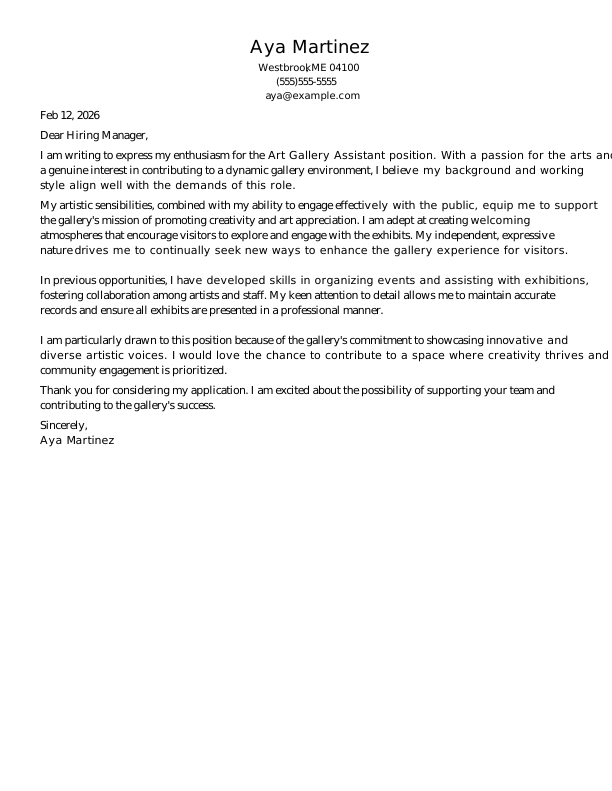
Art Gallery Assistant Cover Letter: Examples & Templates
As an art gallery assistant you understand that employers see...
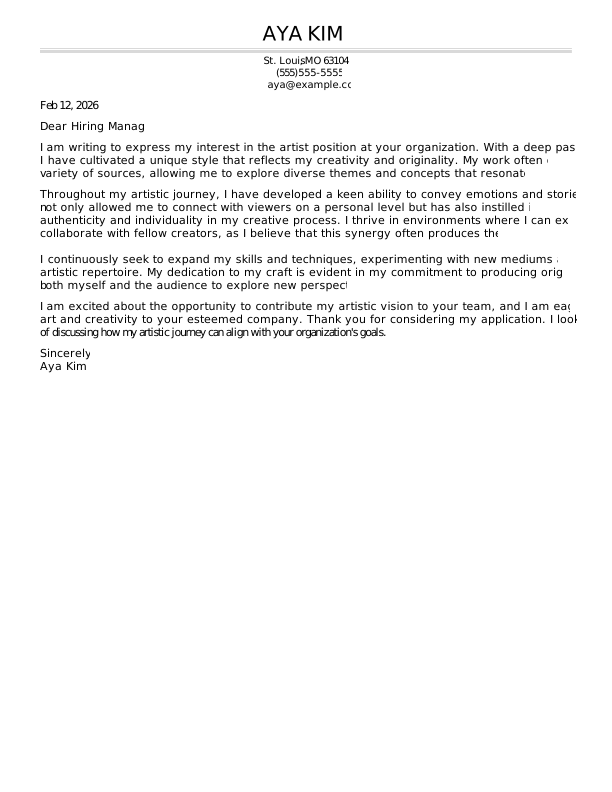
Artist Cover Letter: Examples & Templates
As an artist you need a cover letter that captivates gallerie...

Professional DSP Cover Letter Example & Writing Guide
When you are searching for jobs do not fall into the trap of ...

Electrical Engineering Cover Letter Examples
Get inspired with our electrical engineering cover letter exam...


Professional Group Leader Cover Letter Sample & Writing Guide
Your application can quickly end up lost in a sea of papers wi...
 Get the job 2x faster*
  Customize your cover letter