


Popular Artist Cover Letter Examples
Entry-Level Artist Cover Letter
Ideal for recent art school graduates or emerging artists with one or two years of creative experience, this template helps you highlight your fresh artistic skills, innovative projects, and passion for launching a successful career in the art world through a friendly and informative tone.

Showcases a passionate commitment to artistic growth and innovation while illustrating a strong desire to collaborate with seasoned professionals, bringing fresh ideas and unique perspectives that improve creative projects within established teams
Experienced Artist Cover Letter
This cover letter template is ideal for seasoned artists with over 10 years of experience seeking leadership roles, specialized creative opportunities, or the chance to mentor emerging talent while maintaining and showcasing their artistic excellence.

Highlights a rich portfolio and extensive creative experience while demonstrating a profound impact on artistic collaboration and innovative practices within diverse visual arts communities
More cover letter examples
Artist Cover Letter Template
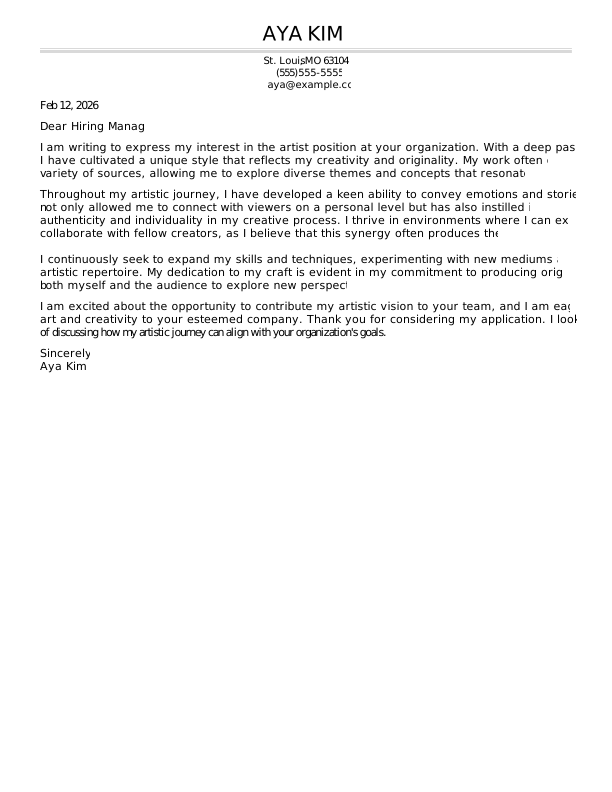
Ready to create a unique cover letter that showcases your artistic talents? You can explore our diverse collection of cover letter templates to find the ideal format for your career in art or easily copy the text version below.
Aya Kim
St. Louis, MO 63104
(555)555-5555
aya@example.com
Feb 12, 2026
Dear Hiring Manager,
I am writing to express my interest in the artist position at your organization. With a deep passion for artistic expression, I have cultivated a unique style that reflects my creativity and originality. My work often draws inspiration from a variety of sources, allowing me to explore diverse themes and concepts that resonate with various audiences.
Throughout my artistic journey, I have developed a keen ability to convey emotions and stories through my art. This has not only allowed me to connect with viewers on a personal level but has also instilled in me the importance of authenticity and individuality in my creative process. I thrive in environments where I can express my ideas freely and collaborate with fellow creators, as I believe that this synergy often produces the most impactful work.
I continuously seek to expand my skills and techniques, experimenting with new mediums and styles to enhance my artistic repertoire. My dedication to my craft is evident in my commitment to producing original pieces that challenge both myself and the audience to explore new perspectives and ideas.
I am excited about the opportunity to contribute my artistic vision to your team, and I am eager to bring my passion for art and creativity to your esteemed company. Thank you for considering my application. I look forward to the possibility of discussing how my artistic journey can align with your organization's goals.
Sincerely,
Aya Kim
Writing Your Artist Cover Letter
Are you ready to craft an artist cover letter that captivates potential employers? Our step-by-step guide on how to write a cover letter will assist you in showcasing your unique artistic skills and creative vision so that it truly resonates. Get set to impress with a compelling narrative that can help you land interviews and open doors to exciting opportunities in the art world.
Research & Personalize Your Approach
Before writing your cover letter as an artist, take the time to research the gallery or organization you're applying to. Visit its website, review recent exhibitions and campaigns, and gain insight into its artistic values, culture, and goals. This knowledge will help you customize your message well, demonstrating a genuine interest in contributing to their creative vision.
When formatting your cover letter header, aim to address it directly to the specific curator or hiring manager if possible. If you cannot find a name, use targeted alternatives like "Dear Hiring Committee" or "Dear [Gallery Name] Team" instead of generic salutations. A personalized approach in your cover letter header improves professionalism and shows attention to detail in your application.
Research recent exhibitions, awards, or collaborations your target gallery or studio has achieved before writing your cover letter. Referencing these specific accomplishments demonstrates that you're engaged and shows a genuine interest in contributing.
Craft a Compelling Introduction
Start your cover letter with a compelling statement that highlights your artistic skills and passion for the role. Clearly state your relevant experience while aligning it with the employer's goals. This approach not only grabs attention but also shows that you understand its needs and are excited to contribute to the team.
Strong opening example
With six years of professional experience in mixed media art and specialized training in visual storytelling, I am eager to bring my creative vision and passion for innovative artistic expression to the artist position at Creative Arts Gallery.
Highlight Relevant Skills Strategically
Highlight two or three qualifications that are most relevant to the position you’re applying for. Instead of overwhelming the reader with a long list of skills, focus on specific abilities and provide concrete examples of how you have used them in your artistic work to achieve success. Including bullet points on your cover letter can significantly improve clarity and allow your strengths to stand out more prominently.
Essential skills to emphasize
- Creative design and visual communication
- Digital illustration skills
- Artistic concept development
- Portfolio presentation and curation
- Collaboration with clients and stakeholders
- Adaptability to various art styles
- Time management for project deadlines
- Critical thinking and problem-solving skills
- Knowledge of current art trends
- Networking within the art community
Improve your application using a professional cover letter template from Google Docs or Microsoft Word. These templates feature clean and polished formatting, allowing you to concentrate on highlighting your artistic skills and experiences customized for each opportunity. This method saves time and ensures your creativity is evident in every application.
Demonstrate Measurable Contributions
When building your artist cover letter, highlight quantifiable achievements that showcase your creative impact. Mention metrics like exhibition attendance, sales figures, or awards won to demonstrate your value. These numbers provide hiring managers with a clear picture of the influence you can bring to the organization, making your application stand out in a competitive field.
Examples of quantifiable achievements
- Increased gallery foot traffic by 40% through innovative marketing campaigns
- Achieved sales growth of 30% year-over-year during art exhibitions
- Successfully organized 5 community art workshops with over 100 participants
- Secured funding for 3 public art projects totaling $50,000
- Collaborated with local artists to create a mural that drew media attention and improved neighborhood engagement
Address Special Circumstances Effectively
If you're making a career transition to become an artist, it’s important to acknowledge this briefly in your cover letter while highlighting the positives. Focus on how your unique experiences contribute to your artistic vision and practice.
For new graduates, showcase relevant coursework, exhibitions, or internships that demonstrate your skills and creativity. If you're changing careers, connect past work experiences to transferable skills like problem-solving or communication that improve your artistry. Always emphasize your commitment to continuous learning and growth within the art community to strengthen your application.
Keep any discussion of career breaks concise. Offer minimal context when appropriate, and quickly redirect attention to your relevant skills and experience rather than personal details.
Close With Confidence & Next Steps
Your cover letter closing should convey your excitement for the artist position and express your desire for an interview. Clearly state when you're available to meet and highlight how your unique creative skills can improve the company's artistic vision. A compelling closing not only summarizes your passion but also leaves employers eager to explore what you can bring to their team.
Professional closing example
Thank you for considering my application for the artist position at [Company Name]. I am excited about the possibility of using my creative skills and experience to contribute to your team's innovative projects. I would love the opportunity to discuss how my artistic vision aligns with your mission. I am available for an interview at your convenience and look forward to your response.
5 Cover Letter Formatting Tips
- Use standard business letter format
When crafting your cover letter, adhere to standard business letter format. Begin with your contact information at the top, followed by the date and the employer's details. Choose a professional font such as Arial or Times New Roman, sized between 11 and 12 points. To ensure clarity and readability, follow this cover letter format, maintaining one-inch margins on all sides and using single spacing throughout.
- Keep it to one page
Hiring managers sift through numerous applications daily, so being concise is essential. The limits of a single page encourage you to highlight your most impressive skills and achievements that align with the art role you're pursuing. Focus on what makes you stand out as a creative professional.
- Create clear paragraph breaks
Structure your letter with three or four distinct paragraphs: start with an engaging opening hook to capture attention, followed by body paragraphs that highlight your artistic qualifications and experiences. Conclude with a strong closing statement. Use white space effectively to ensure the letter is easy to scan quickly.
- Match your resume design
For your artist cover letter, ensure the header design aligns with your resume for a unified look. A cohesive application package reflects not only your creativity but also your professionalism and attention to detail. Employers appreciate consistent formatting as it signals dedication and a polished approach to your artistic career.
- Proofread thoroughly
As an artist, precision in your cover letter is essential. Mistakes can overshadow your creativity and professionalism. Start by reading your letter aloud to catch any awkward phrases. Use spell-check for quick fixes, but don't rely solely on it. Lastly, have a trusted colleague review your work. Remember, even minor errors can derail your chances of standing out.
Use spell-check for quick fixes, but don't rely solely on it. Lastly, have a trusted colleague review your work. Remember, even minor errors can derail your chances of standing out.
Tools for Your Job Search
Looking to improve your applications for art positions? Our AI Cover Letter Generator crafts personalized cover letters in minutes, tailored to emphasize your artistic skills and align with the specific requirements of your desired role. This tool helps you stand out by showcasing your unique talents and experiences.
Need support for your resume? Our ATS Resume Checker analyzes how well your resume performs with automated screening systems used by many employers in the art field. Additionally, our AI Resume Builder provides smart content suggestions alongside beautifully designed templates that highlight your artistic journey for potential employers.
Frequently Asked Questions
Last Updated: February 24, 2026
A cover letter should be one page long, typically structured in three or four paragraphs. This format allows you to present your most relevant qualifications and passion for the position without overwhelming the hiring manager with too much detail. It gives you enough space to be expressive while remaining focused.
Understanding how long a cover letter should be is essential for maintaining a balance between being thorough and respecting the limited time recruiters have to review applications. They often spend only seconds on each submission, so being concise while still highlighting your strengths can make a significant difference in grabbing their attention.
The difference between a cover letter and a resume is related to the purpose they each serve. Your resume serves as a snapshot of your artistic journey, detailing your exhibitions, skills, and education in a clear format. It answers the "what"—what artworks you've created, what techniques you’ve mastered, and where you've showcased your talent. In contrast, your cover letter delves into the "why" and "how." It expresses your passion for art, describes how specific experiences shaped your style, and explains why you’re drawn to this particular role or gallery.
Understanding the cover letter vs resume distinction is important for artists. By recognizing that each document serves a unique purpose, you can leverage them to highlight different facets of your career.
Yes, you should submit a cover letter even if it's not required. Submitting a cover letter demonstrates your dedication as an artist. It shows that you're willing to put in extra effort, which can be particularly appealing to employers who are looking for strong communication skills and genuine passion for the creative process. A well-crafted cover letter allows you to connect with your audience and express your artistic vision beyond what’s on your resume.
The purpose of a cover letter is to provide insight into your creative journey and motivations. Picture this: two equally qualified artists apply for the same position, but only one includes a thoughtful cover letter showcasing their unique style and inspirations. Which applicant do you think will resonate more with the hiring committee? When in doubt, always include a cover letter—it's an opportunity to showcase who you're as an artist and what you bring to the table.
A creative cover letter should be visually engaging, well-structured, and easy to read at a glance. Apply a classic business letter format, starting with your contact information at the top, followed by the date and details of the recipient. Opt for an artistic yet professional font like Arial or Times New Roman in sizes 11 or 12, maintaining standard margins and single spacing for clarity.
If you're interested in what does a cover letter look like, it generally includes a distinctive header, a personalized salutation, and 3-4 focused paragraphs within the body. The closing should reflect professionalism with your signature included. This thoughtful layout not only improves readability but also creates an impressive presentation that captures employers' attention.


Hailey is a career writer whose work for Resume Now helped job seekers excel in their careers.
More resources
Painter Cover Letter: Examples & Templates
As a painter you need to demonstrate your artistic vision and...
Art Gallery Assistant Cover Letter: Examples & Templates
As an art gallery assistant you understand that employers see...

Professional DSP Cover Letter Example & Writing Guide
When you are searching for jobs do not fall into the trap of ...


Entertainment and Media Cover Letter Templates
How to Get Hired in the Entertainment and Media Industry Are y...

 Get the job 2x faster*
  Customize your cover letter