


Popular Electrical Engineering Resume Examples
Entry-level electrical engineering resume
An entry-level resume for electrical engineering should focus on relevant projects, coursework, technical skills, internships, and certifications to show competence even with limited professional experience.

Places skills over experience: The functional resume format is strategic for this early-career electrical engineer as it highlights their critical skills like circuit design and project management, showcasing relevant expertise over limited work history.
Prioritizes readability: Choosing a simple resume template improves this resume's readability, allowing recruiters to quickly identify key qualifications without distraction and ultimately streamlining the hiring process.
Mid-career electrical engineering resume
A mid-career electrical engineering resume should emphasize a combination of hands-on project experience, technical skills, and continuous learning to demonstrate both expertise and adaptability in the field.

Employs active language: Action verbs like "reduced," "optimized," and "managed" clearly illustrate a proactive approach, showcasing measurable achievements in engineering efficiency and project success.
Encourages quick scanning: This well-structured layout highlights the job seeker's achievements and skills, allowing hiring managers to quickly assess their expertise in electrical engineering.
Experienced electrical engineering resume
An experienced electrical engineering resume should highlight key projects and achievements that demonstrate technical skills and professional growth in a clear and organized manner.
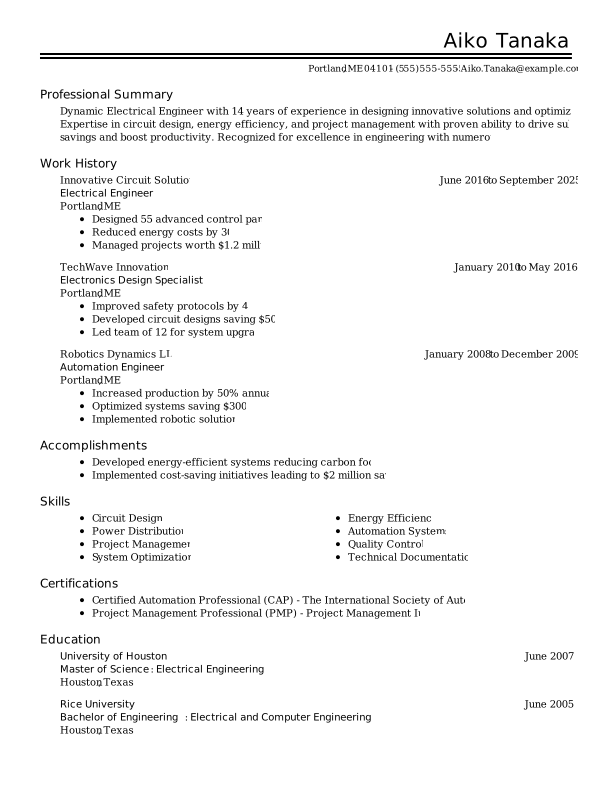
Highlights experience: This resume opens with a compelling summary that immediately showcases the applicant's 14 years of expertise in electrical engineering. This strong introduction sets a confident and professional tone, emphasizing skills in innovation and project management that resonate throughout the document.
Optimized for ATS: This resume features a polished and structured template that aligns a professional header with an ATS-friendly resume format, ensuring effective communication with both recruiters and automated systems.
No experience electrical engineering resume
A resume for an applicant with no experience in electrical engineering should highlight relevant coursework, technical skills, and any projects or internships to showcase their potential and enthusiasm for the field.
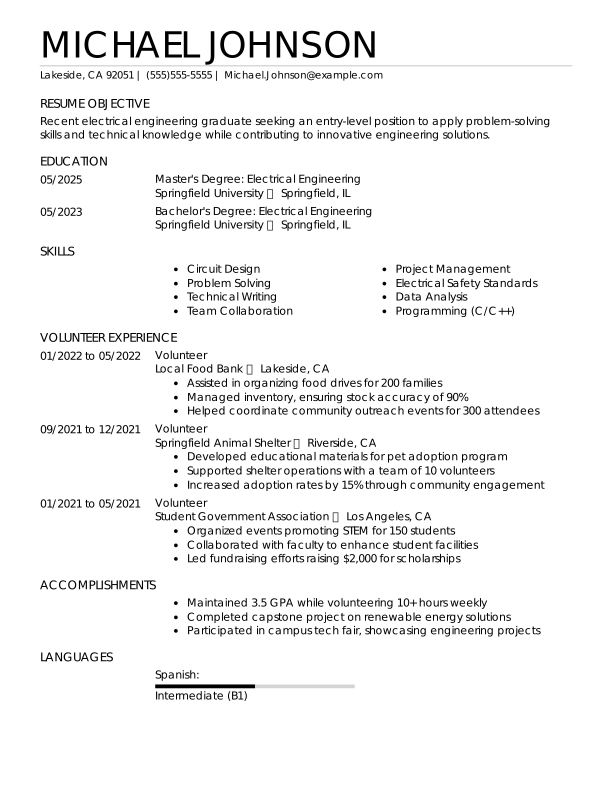
Favors clarity over complexity: The resume's clean layout effectively highlights qualifications, showcasing relevant coursework and achievements in electrical engineering without unnecessary distractions.
Overcomes lack of work history: Leveraging technical skills and academic achievements, the applicant demonstrates readiness for electrical engineering roles, showcasing adaptability despite limited professional experience.
More resume examples
Electrical Engineering Resume Template
Looking to create a standout application? Use this electrical engineering resume template as your base and easily personalize it with your experience and skills.
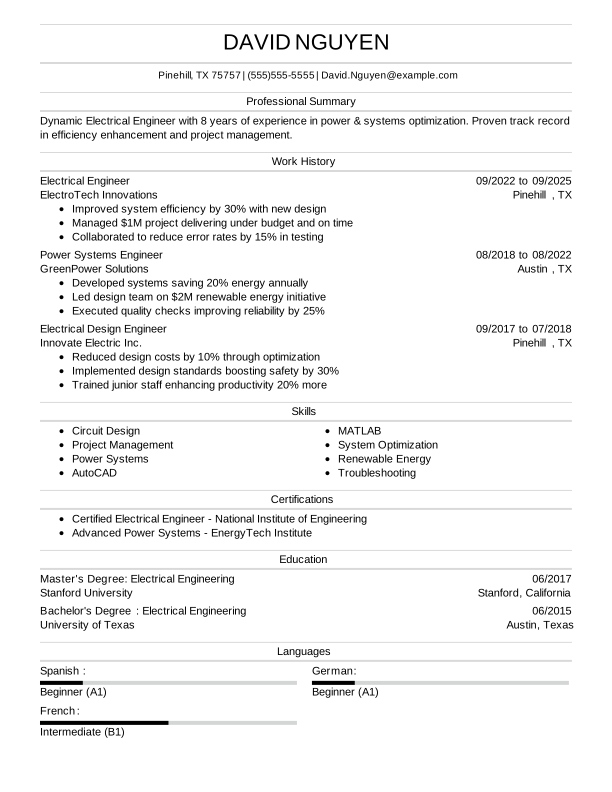
David Nguyen
Pinehill, TX 75757
(555)555-5555
David.Nguyen@example.com
Professional Summary
Dynamic Electrical Engineer with 8 years of experience in power & systems optimization. Proven track record in efficiency enhancement and project management.
Work History
Electrical Engineer
ElectroTech Innovations - Pinehill, TX
September 2022 - September 2025
- Improved system efficiency by 30% with new design
- Managed $1M project delivering under budget and on time
- Collaborated to reduce error rates by 15% in testing
Power Systems Engineer
GreenPower Solutions - Austin, TX
August 2018 - August 2022
- Developed systems saving 20% energy annually
- Led design team on $2M renewable energy initiative
- Executed quality checks improving reliability by 25%
Electrical Design Engineer
Innovate Electric Inc. - Pinehill, TX
September 2017 - July 2018
- Reduced design costs by 10% through optimization
- Implemented design standards boosting safety by 30%
- Trained junior staff enhancing productivity 20% more
Skills
- Circuit Design
- Project Management
- Power Systems
- AutoCAD
- MATLAB
- System Optimization
- Renewable Energy
- Troubleshooting
Education
Master's Degree Electrical Engineering
Stanford University Stanford, California
June 2017
Bachelor's Degree Electrical Engineering
University of Texas Austin, Texas
June 2015
Certifications
- Certified Electrical Engineer - National Institute of Engineering
- Advanced Power Systems - EnergyTech Institute
Languages
- Spanish - Beginner (A1)
- German - Beginner (A1)
- French - Intermediate (B1)
Writing Your Electrical Engineering Resume
Having explored these compelling resume examples, it's time to dive into how to write a resume. We will walk you through each section methodically, ensuring you feel confident every step of the way.
List your most relevant skills
A strong skills section on your electrical engineering resume is critical for showcasing both technical expertise, such as circuit design and software skill, and essential soft skills like teamwork and analytical thinking.
To improve your appeal to human recruiters and applicant tracking systems, incorporate keywords from the job listing into your skills section. This practice not only aligns your experience with their expectations but also increases your chances of being selected during initial screenings. Tailoring this section with relevant terms shows that you understand the position's requirements and are well-prepared for the challenges ahead.
Example of skills on an electrical engineering resume
- Proficient in designing and analyzing electrical systems for optimal performance
- Experienced in using CAD software for circuit design and layout
- Strong communicator with the ability to collaborate effectively within diverse teams
- Adaptable problem-solver with a focus on innovative solutions
Highlight your soft skills on your resume. While technical abilities are essential, strong interpersonal abilities stand out to employers because they are often challenging to develop and can significantly improve team dynamics.
Highlight your work history
Your work experience section should focus on showcasing your achievements and the impact of your contributions to projects or teams. Use keywords that align with the electrical engineering field to catch the attention of hiring managers.
For each job entry, make sure to include key details such as your title, employer's name, and dates of employment. This information helps employers quickly assess your professional background and establish credibility. Also, consider including specific projects or technologies you worked with that are relevant to the roles you're applying for.
Example of an electrical engineering work experience entry
- Electrical Engineer
Innovative Solutions Inc. - Denver, CO
June 2019 - Present - Design and develop electrical systems for various commercial projects, improving project efficiency by 30%
- Conduct detailed analyses and simulations to ensure compliance with industry standards, resulting in a 25% reduction in design errors
- Collaborate with cross-functional teams to integrate electrical solutions into overall project plans, improving communication and project delivery timelines by 15%
- Lead troubleshooting efforts for electrical malfunctions, successfully resolving issues within a 24-hour timeframe and increasing system reliability
- Mentor junior engineers on best practices in electrical design and safety protocols, fostering a culture of continuous improvement within the team
Aim for clarity in your resume bullet points. Provide enough detail to illustrate your accomplishments without overwhelming the reader. Focus on key achievements, using action verbs to convey impact while keeping it concise.
Include your education
The education section of your electrical engineering resume should clearly outline your academic credentials in reverse-chronological order, starting with the most recent degree. Include all relevant degrees and certifications while omitting your high school diploma if you hold a higher qualification.
If you are currently pursuing a degree or have not completed one, indicate your highest attained level along with an expected graduation date. In this case, it can be helpful to include bullet points highlighting relevant coursework or significant academic projects that reflect your knowledge in electrical engineering.
Common certifications for an electrical engineering resume
- Professional Engineer (PE) – National Council of Examiners for Engineering and Surveying (NCEES)
- Certified Electrical Engineer (CEE) – International Society of Automation (ISA)
- Project Management Professional (PMP) – Project Management Institute (PMI)
- LEED Accredited Professional (LEED AP) – U.S. Green Building Council (USGBC)
Sum up your resume with an introduction
Creating a strong profile section in your resume is key for making an effective first impression on potential employers. This section serves as your professional introduction, allowing you to succinctly convey who you are and what you bring to the table.
For experienced applicants, this type of summary is often the best choice. It allows you to highlight key accomplishments and relevant experiences that align with the job you're applying for. By showcasing your career highlights right at the top, you give hiring managers a snapshot of your qualifications, helping them see how your background fits their needs.
If your background is limited, include a goals-based resume objective that reflects your dedication to learning and development.
Professional summary example
Innovative electrical engineer with over 8 years of experience in designing and implementing cutting-edge solutions for energy systems. Demonstrated success in optimizing system performance, reducing operational costs, and improving safety protocols. Proficient in project management, circuit design, and renewable energy technologies.
Resume objective example
Enthusiastic electrical engineering graduate eager to apply strong analytical, problem-solving, and teamwork skills in a challenging engineering role. Aiming to contribute innovative solutions and support project success while continuing to develop expertise in circuit design and renewable energy technologies.
When crafting your resume profile for an electrical engineering position, remember that this is your chance to shine with keywords. Carefully analyze the job description and weave in essential qualifications that align with the role. This strategy not only boosts your chances of passing through applicant tracking systems used by employers but also improves clarity.
Add unique sections to set you apart
Incorporating optional resume sections can help you highlight your distinct qualifications as an electrical engineer. These segments allow you to showcase not just your technical skills but also the qualities that set you apart from other job seekers.
Consider including details about relevant hobbies or volunteer experiences that reflect your commitment to innovation and community service. For instance, participating in engineering clubs or mentoring students in STEM can illustrate both your expertise and passion for the field. By sharing these insights, you create a well-rounded picture of yourself, making it easier for employers to see how you might fit into their team.
Three sections perfect for a electrical engineering resume
- Technical Skills: Technical skills are essential on your resume as they demonstrate your expertise and ability to tackle complex tasks in electrical engineering. Highlighting these skills shows employers you are equipped to contribute effectively from day one.
- Tools and Platforms: Strong computer skills are essential for electrical engineers. Familiarity with software such as AutoCAD, MATLAB, and simulation tools improves design efficiency and accuracy. Being skilled in project management platforms ensures smooth collaboration and timely project completion.
- Professional Certifications: Certifications validate your expertise and dedication to the field. Pursue relevant certifications to improve your skills and showcase your qualifications to potential employers in electrical engineering.
5 Resume Formatting Tips
- Choose a format that matches your career stage.
Choosing the best resume format depends on your career stage. If you have substantial experience, a chronological format can showcase your growth effectively. For those just starting out, consider a functional resume that highlights skills instead of work history. A combination resume might serve well if you want to present both skills and experiences cohesively.
- Pick a smart resume template.
Using a professional resume template improves readability and formatting. It allows your skills and experiences to stand out clearly. If you opt for a custom format, ensure it remains straightforward and uses fonts that are friendly for applicant tracking systems. This will give your resume the best chance of being noticed.
- Choose an appropriate font.
Select a clear and professional font to improve your resume's readability. Fonts such as Helvetica, Georgia, or Verdana are effective for both applicant tracking systems and hiring managers.
- Use consistent formatting.
Align your resume text to the left and maintain uniform margins. This ensures a clean, organized look that improves readability and professionalism.
- Keep your resume to one or two pages.
When outlining your resume, remember that resumes should be one page long in most cases. If you have extensive experience, a second page is acceptable. Focus on keeping your content concise and highlighting the most relevant details to make a strong impression.
Tools for Your Job Search
Are you gearing up to apply for that electrical engineering position you've been eyeing? Before you submit your application, take advantage of our ATS Resume Checker. This tool helps identify how well your resume aligns with the criteria set by automated systems many companies use during their initial screenings.
If you're seeking personalized support, consider using our AI Resume Builder. It provides tailored recommendations based on your background in electrical engineering and includes professional templates designed to highlight your technical skills and project experiences effectively.
Frequently Asked Questions
Last Updated: December 11, 2025
Yes. A cover letter is important as it adds depth to your resume and provides another opportunity to communicate with potential employers. It allows you to express why the electrical engineering role excites you and highlight how your unique experiences make you a perfect fit for the position. Make sure to write a cover letter that improves your application.
Consider using our AI Cover Letter Generator for quick, personalized creation. With matching cover letter template options, you can ensure that it complements your resume perfectly, presenting a polished and professional image to prospective employers.
A CV (curriculum vitae) is generally more extensive and detailed than a resume. While resumes typically span one to two pages, CVs can extend several pages, showcasing your academic achievements, research contributions, and professional experiences in depth.
You should use a CV when applying for positions in academia or specialized fields like law and medicine. If you’re unsure about how to create an effective CV, our online CV Maker can help guide you through the process. With various tailored CV templates for different industries and career levels, you can quickly design a professional document that meets your needs.
An electrical engineering resume should typically be one page, effectively showcasing your skills and achievements. However, for seasoned professionals with extensive experience, a two-page resume may be necessary to adequately highlight your qualifications.
A common resume mistake electrical engineering professionals make is using generic templates that are not ATS-compatible. To improve your chances of getting noticed, ensure your resume template is ATS-friendly and tailor your content to align closely with the job description you’re applying for.
Indeed, essential skills such as "circuit design" and "project management" are important on electrical engineering resumes. Be sure to review job descriptions for other important keywords that employers prioritize.
To excel in electrical engineering, continuously expand your skills by pursuing relevant certifications and attending workshops. Engage with professional organizations, stay updated on the latest technological advancements, and explore online courses that align with your career goals to improve your expertise and marketability.


Emily is a career writer and visual content creator. She is dedicated to helping job seekers navigate complex job markets with practical, research-backed strategies for career advancement and professional growth.
More resources
Banking Resume: Examples & Templates
As a banking professional you need a resume that captures the...
Government Resume: Examples & Templates
As a government professional your resume must highlight the s...
Biotech Resume: Examples & Templates
Crafting a standout resume in the biotech field is essential t...
Healthcare Support Resume: Examples & Templates
As a healthcare support professional you need a resume that c...
Sports Coach Resume: Examples & Templates
As a sports coach you need a resume that showcases your leade...
 Get the job 2x faster*
  Customize your cover letter