


Popular Special Education Resume Examples
Entry-level special education resume
An entry-level resume for a special education position should focus on relevant coursework, volunteer experiences, certifications, and key skills like empathy, communication, and adaptability to demonstrate readiness for the role.
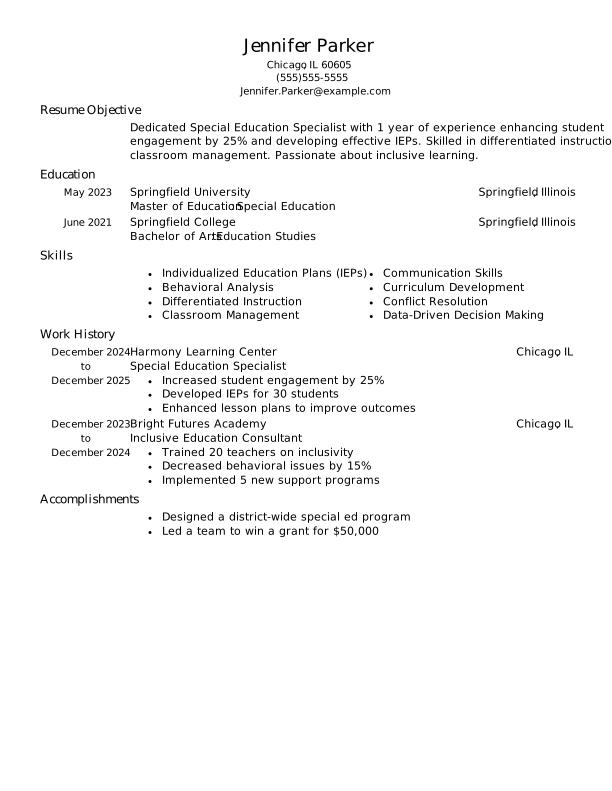
Showcases education: This resume opens with the education section, positioning the candidate’s academic achievements as a key strength.
Prioritizes readability: This simple resume template layout allows recruiters to quickly spot key qualifications, making the candidate's special education expertise stand out effortlessly.
Mid-career special education resume
A mid-career special education professional's resume should effectively highlight relevant teaching experience, specialized skills in diverse learning strategies, and evidence of ongoing professional development to attract potential employers.

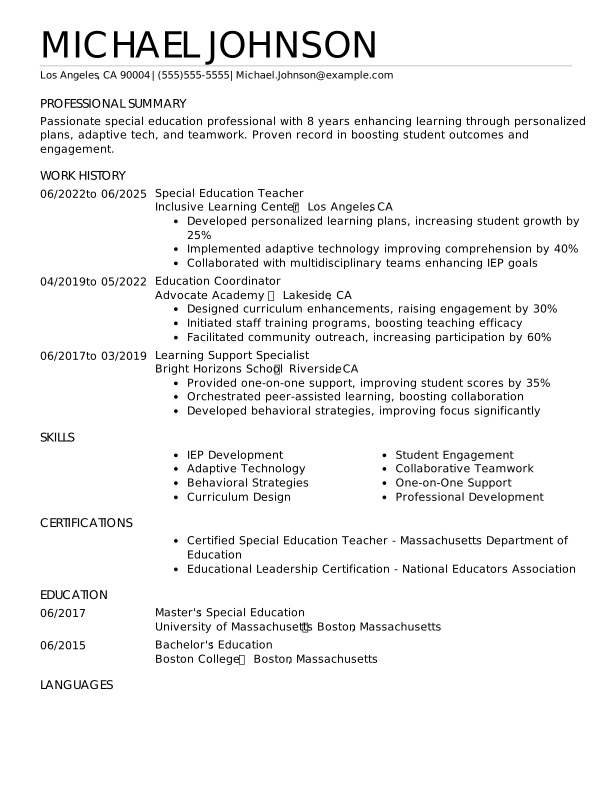
Includes mix of skills: This resume effectively balances hard skills like IEP development and assistive technology use with soft skills such as classroom management and student engagement, showcasing a well-rounded educator.
Encourages quick scanning: This well-structured layout allows hiring managers to quickly identify key qualifications and achievements, making it easier to assess the applicant's fit for special education roles.
Experienced special education resume
An experienced special education resume should emphasize the job seeker's key achievements and development in skills, clearly outlining their impact on student success and educational improvement.
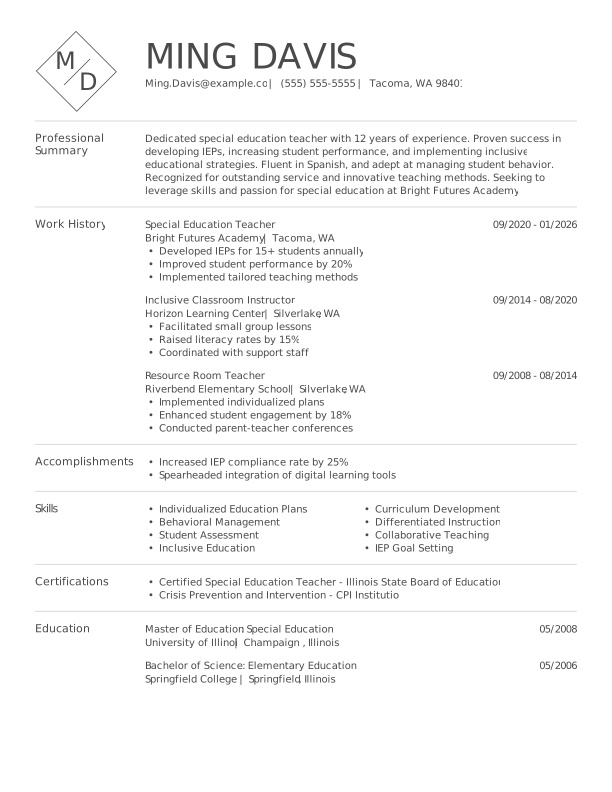
Highlights experience: This resume's opening summary effectively showcases the applicant's decade of experience in special education. It establishes a strong professional tone by highlighting key skills and accomplishments that illustrate their commitment to student success and individualized learning strategies.
Follows traditional format: The chronological resume format effectively showcases extensive experience by outlining a clear progression of roles and responsibilities, allowing easy tracking of career achievements and advancements in special education.
No experience special education resume
A resume for an applicant with no experience seeking a special education position should highlight relevant skills, volunteer work, and any coursework to showcase the job seeker's passion and suitability for supporting diverse learners.
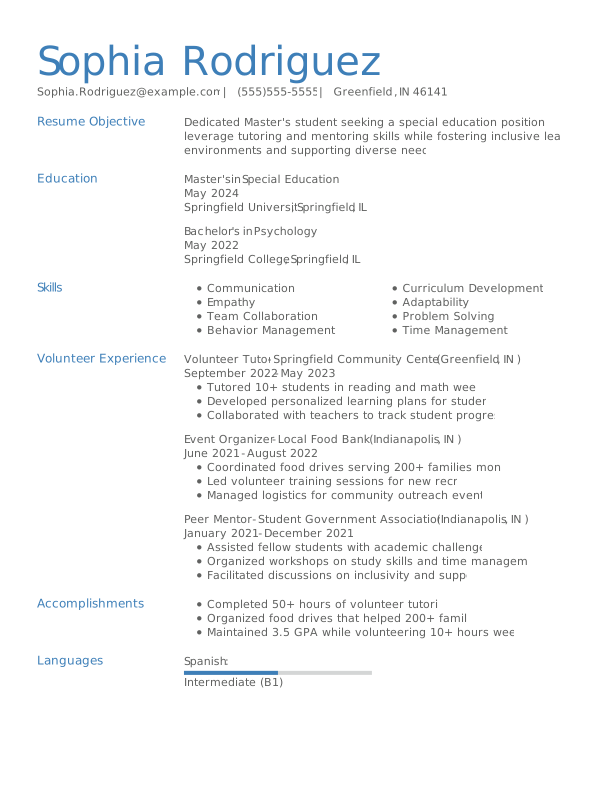
Overcomes lack of work history: Emphasizing professional skills highlights the applicant's readiness for a special education role, showcasing their ability to create inclusive learning environments despite limited formal experience.
Draws from diverse experiences: Incorporating volunteer experiences and extracurricular activities on a resume highlights valuable skills and commitment to community, improving the overall profile for applicants with limited professional experience.
More resume examples
Special Education Resume Template
Looking to create a standout application? This special education resume template serves as a great foundation—just personalize it with your details to make it uniquely yours.
Michael Johnson
Los Angeles, CA 90004
(555)555-5555
Michael.Johnson@example.com
Professional Summary
Passionate special education professional with 8 years enhancing learning through personalized plans, adaptive tech, and teamwork. Proven record in boosting student outcomes and engagement.
Work History
Special Education Teacher
Inclusive Learning Center - Los Angeles, CA
June 2022 - June 2025
- Developed personalized learning plans, increasing student growth by 25%
- Implemented adaptive technology improving comprehension by 40%
- Collaborated with multidisciplinary teams enhancing IEP goals
Education Coordinator
Advocate Academy - Lakeside, CA
April 2019 - May 2022
- Designed curriculum enhancements, raising engagement by 30%
- Initiated staff training programs, boosting teaching efficacy
- Facilitated community outreach, increasing participation by 60%
Learning Support Specialist
Bright Horizons School - Riverside, CA
June 2017 - March 2019
- Provided one-on-one support, improving student scores by 35%
- Orchestrated peer-assisted learning, boosting collaboration
- Developed behavioral strategies, improving focus significantly
Skills
- IEP Development
- Adaptive Technology
- Behavioral Strategies
- Curriculum Design
- Student Engagement
- Collaborative Teamwork
- One-on-One Support
- Professional Development
Certifications
- Certified Special Education Teacher - Massachusetts Department of Education
- Educational Leadership Certification - National Educators Association
Education
Master's Special Education
University of Massachusetts Boston, Massachusetts
June 2017
Bachelor's Education
Boston College Boston, Massachusetts
June 2015
Languages
- Spanish - Beginner (A1)
- French - Beginner (A1)
- German - Beginner (A1)
Writing Your Special Education Resume
Having explored these effective resume examples, you are now prepared to dive into the detailed process of how to write a resume. We will walk through each section step by step to ensure you craft a compelling and professional document.
List your most relevant skills
An effective skills section on your special education resume should highlight both specialized knowledge—like lesson planning and behavioral management—and key soft skills such as empathy and communication. By focusing on these areas, you can clearly demonstrate your readiness to support diverse learners in various educational settings.
To stand out, include keywords from the job listing that align with the essential requirements of the role. This not only helps human recruiters identify your fit but also ensures your resume passes through applicant tracking systems. Tailoring this section to reflect the language used in the job description is a smart strategy that signals you’re a well-suited job seeker for the position.
Example of skills on a special education resume
- Experienced in developing and implementing individualized education plans (IEPs)
- Skilled in using adaptive technologies to support diverse learning needs
- Compassionate communicator with a focus on building positive relationships
- Strong advocate for students" rights and inclusive practices
A strong skills section combines hard and soft skills, showing that job seekers can handle technical tasks while also collaborating effectively with others. For example, knowledge of IEPs as a hard skill combined with empathy as a soft skill creates a well-rounded professional.
Highlight your work history
Your work experience section is your chance to showcase not just what you did but how you made a difference in the lives of your students. Focus on highlighting specific achievements, such as successful interventions or programs you implemented, that demonstrate your unique skills and dedication to the field.
When detailing each job entry, be sure to include critical information: your title, the name of the school or organization, and the dates of employment. This clarity allows potential employers to quickly understand your background and establish trust in your professional journey.
Example of a special education work experience entry
- Special Education
Sunshine Academy - Miami, FL
August 2019 - Present - Develop and implement individualized education plans (IEPs) for students with diverse learning needs, ensuring compliance with state regulations and educational standards
- Use adaptive teaching techniques to engage students in the curriculum, resulting in a 30% increase in academic performance assessments over two years
- Foster a supportive classroom environment by building strong relationships with students and their families, contributing to an 85% improvement in student attendance rates
- Collaborate with multidisciplinary teams to assess student progress and modify instructional strategies, improving overall effectiveness of educational interventions
- Lead professional development workshops for staff on inclusive teaching practices, promoting a culture of empathy and understanding within the school community
Quantifying achievements in special education is vital for demonstrating the impact of your teaching strategies. For example, reporting that you increased student engagement by 40% through tailored interventions provides a clear measure of your effectiveness and commitment to improving educational outcomes.
Include your education
The education section of your special education resume should be organized in reverse-chronological order, beginning with your most recent degree. Include all relevant diplomas, degrees, and certifications, while excluding your high school diploma if you have obtained a higher degree.
If you are still pursuing a degree or have incomplete education, indicate the highest level completed and provide an expected graduation date. Including bullet points that showcase relevant coursework or academic accomplishments can be particularly helpful for current students or recent graduates as it emphasizes their educational background.
Common certifications for a special education resume
- Certified Special Education Teacher (CSET) – National Board for Professional Teaching Standards (NBPTS)
- Board Certified Behavior Analyst (BCBA) – Behavior Analyst Certification Board (BACB)
- Special Education Leadership Credential – California Commission on Teacher Credentialing
- Teacher of Students with Disabilities (TSD) – New Jersey Department of Education
Showcase publications and research
As a special education professional, showcasing your publications can help demonstrate your expertise and dedication to advancing the field. Including a publications section on your resume allows you to highlight your research, innovative practices, and contributions that positively impact student outcomes, establishing yourself as a knowledgeable resource among peers and employers.
You should create a dedicated section when you have multiple works to feature, emphasizing robust scholarly activity. If you only have one or two papers, consider integrating them into your education or experience sections instead. Using the appropriate citation style, such as APA—commonly preferred in education—helps maintain professionalism and clarity throughout your resume.
Example of a publications section
- Smith, J., & Johnson, A. (2024). "Effective Strategies for Teaching Students with Autism Spectrum Disorder". Journal of Special Education Research, 15(1), 22-40.
- Doe, R. & Lee, T. (2023). "Inclusive Classrooms: Bridging the Gap in Learning Disabilities". International Journal of Inclusive Education, 12(3), 101-115.
- Research Contributor, University Special Education Initiative (2022–2023). "Research Contribution to the ABC Grant Project on Classroom Integration Techniques". Analyzed data from pilot programs for students with disabilities..
- Chen, H., Johnson, A., et al. (2022). "Collaborative Approaches to Behavior Management in Schools". Educational Psychology Review, 30(2), 145-160.
Sum up your resume with an introduction
Your resume profile is important in making a lasting impression on hiring managers, especially for a special education role. This section gives you the chance to introduce your career story succinctly and set the tone for the rest of your resume.
For experienced applicants, a professional summary is particularly effective. This format allows you to highlight key achievements and milestones in your career that demonstrate your expertise in special education. If you have a limited work history, consider a resume objective that emphasizes your eagerness to grow professionally.
Professional summary example
Compassionate special education professional with over 10 years of experience in diverse educational settings. Demonstrated success in developing individualized education plans and implementing tailored teaching strategies that improve student learning outcomes. Expertise in behavioral management, team collaboration, and fostering inclusive environments for all learners.
Resume objective example
Enthusiastic special education professional eager to use a strong foundation in individualized education plans and classroom management to support diverse learners in an inclusive environment. Committed to fostering growth and development through effective communication and collaboration with educators, families, and students.
In a special education resume profile, showcasing your skills is important. Start by carefully reviewing job descriptions and weaving in relevant keywords to match the qualifications sought by employers. This strategic approach improves your chances of passing through applicant tracking systems and getting noticed by hiring managers.
Add unique sections to set you apart
Incorporating optional resume sections can significantly improve your application for special education positions by highlighting your unique qualifications. These sections provide a valuable opportunity for you to stand out in a competitive job market.
When you include relevant hobbies or volunteer experiences, you give employers insight into your personal values and work ethic. For instance, showcasing involvement in community programs or advocacy efforts can reflect your commitment to supporting diverse learners. This not only demonstrates your skills but also paints a fuller picture of who you are as an educator, reinforcing how well you align with their mission and vision.
Three sections perfect for a special education resume
- Certifications and endorsements: Having recognized certifications adds credibility to your qualifications in special education. Specify any relevant certifications you've earned, the issuing organizations, and how these credentials improve your skills in working with diverse learners.
- Workshops and training attended: Participation in specialized workshops shows your commitment to continuous learning. List any professional development courses or training sessions you've attended, including topics covered and any practical applications that improve your teaching strategies.
- Community involvement: Active engagement in community initiatives highlights your dedication to supporting students beyond the classroom. Include volunteer work, outreach programs, or advocacy efforts that reflect your passion for inclusive education.
5 Resume Formatting Tips
- Choose a format that matches your career stage.
Choosing the right resume format is essential for showcasing your skills. If you have ample experience, a chronological format effectively highlights your career progression. For those just starting out, consider a functional resume to emphasize abilities over work history. A combination format can also be beneficial for presenting a well-rounded profile at any level.
- Pick a smart resume template.
Choosing a professional resume template improves readability and helps your qualifications stand out. A well-structured format ensures your content is easy to navigate and compatible with applicant tracking systems. Opt for a simple, clean design that effectively showcases your strengths.
- Select an appropriate font.
Choose a clear, professional font to improve your resume's readability. Fonts like Arial, Verdana, or Georgia are great choices that ensure both ATS compatibility and easy reading for hiring managers.
- Use consistent formatting.
Align your resume to the left and maintain uniform margins. This creates a tidy, professional look that improves readability and showcases your attention to detail.
- Keep your resume to one or two pages.
When outlining your resume, remember that resumes should be one page long in most cases. Focus on highlighting your key experiences and skills to ensure that every word counts. This approach keeps your content concise and effective.
Tools for Your Job Search
Are you preparing to apply for a special education position that excites you? Before you hit send on your application, take advantage of our ATS Resume Checker. This tool provides essential feedback on how well your resume meets the criteria set by automated systems, ensuring that your application stands out in competitive hiring processes.
Looking to elevate your resume even further? Our AI Resume Builder offers tailored recommendations specifically designed for professionals in special education. With access to beautifully crafted templates, you can effectively showcase your qualifications and experiences to potential employers.
Frequently Asked Questions
Last Updated: December 6, 2025
Absolutely. A cover letter is important because it gives context to your resume and opens up communication with potential employers. It allows you to convey your passion for special education and highlight how your experience makes you an ideal applicant. Don’t overlook this chance—write a cover letter that showcases your unique qualifications.
For a quick and effective solution, use our AI Cover Letter Generator! It helps you create tailored cover letters in just minutes, with a matching cover letter template that seamlessly aligns with your resume. This way, you can present a polished application that truly reflects your dedication to the role in special education.
A resume is generally a concise document of one to two pages, highlighting your skills and experience in a straightforward manner. In contrast, a CV (curriculum vitae) can extend several pages, providing an in-depth overview of your academic credentials, research contributions, and professional history.
When applying for roles in specialized fields such as special education or academia, a CV may be required. If you're unsure about how to create a tailored CV, our online CV Maker offers various CV templates designed for different industries and career levels. Get started today to efficiently craft a standout document that showcases your qualifications.
For a special education resume, one page is generally sufficient to showcase your qualifications and experiences effectively. However, if you have extensive background or a range of relevant skills, opting for a two-page resume can be appropriate to ensure all critical information is included.
To write a strong CV, start by organizing your information with headings like Education, Experience, Skills, and Certifications. Choose a professional template that is visually appealing and ATS-compatible. Tailor your CV for every job application by incorporating relevant keywords from the job listing to demonstrate your suitability for the role.
Furthermore, reviewing CV examples from successful professionals in your field can offer valuable insights. Examine how they present their qualifications and achievements. This approach not only inspires you but also helps you grasp industry standards in presentation and content.
When addressing gaps on your resume, be honest about the reasons behind them. Explain what you were doing during that time, whether it was volunteering, taking courses, or caring for family. Highlight how these activities contributed to your personal and professional growth. After covering the gap, pivot back to your qualifications and experience to emphasize your value as an applicant.
Absolutely, key skills such as "behavior management" and "individualized education plans" are important on special education resumes. It's wise to examine job descriptions for other important keywords and phrases that employers prioritize.


Hailey is a career writer whose work for Resume Now helped job seekers excel in their careers.
More resources
Personal Trainer Resume: Examples & Templates
As a personal trainer you need a resume that highlights your ...
Physical Therapy Resume: Examples & Templates
As a physical therapist your resume needs to highlight your c...
Driving Resume: Examples & Templates
As a professional driver you need a resume that showcases ess...
High School Student Resume: Examples & Templates
As a high school student your resume is an opportunity to sho...
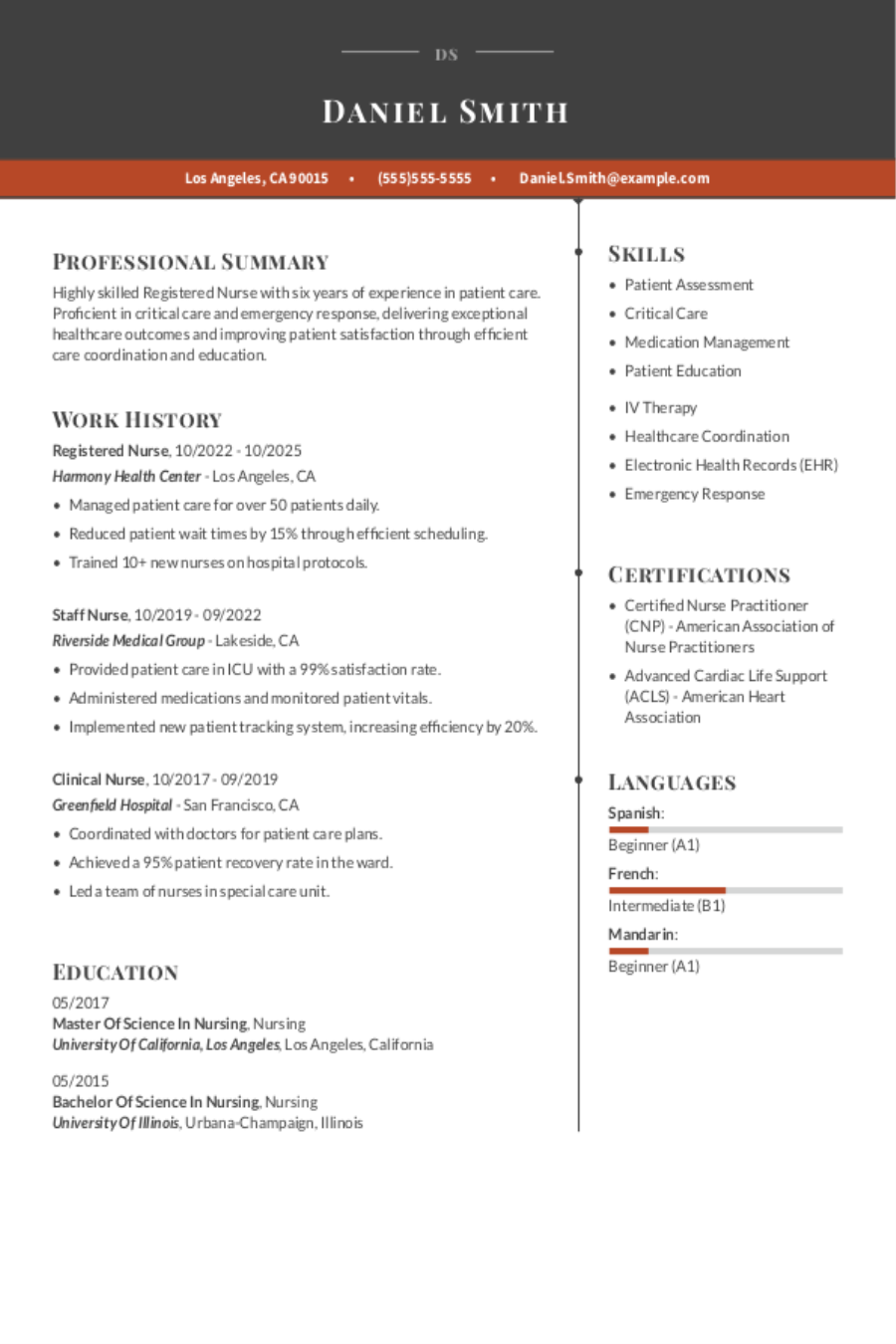
Registered Nurse Resume: Examples & Templates
A strong registered nurse resume highlights more than your cli...
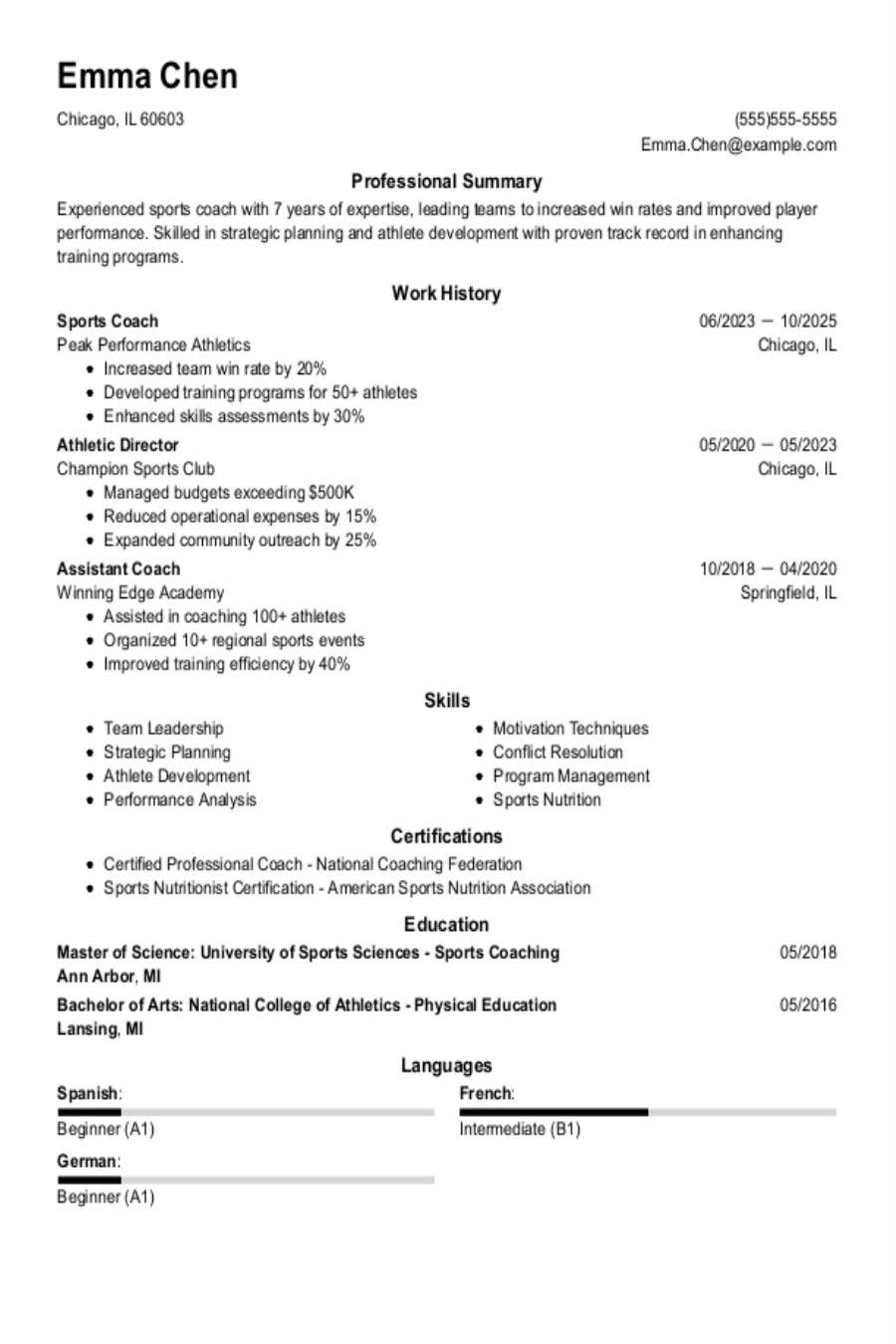
Sports Coach Resume: Examples & Templates
As a sports coach you need a resume that showcases your leade...
 Get the job 2x faster*
  Customize your cover letter