

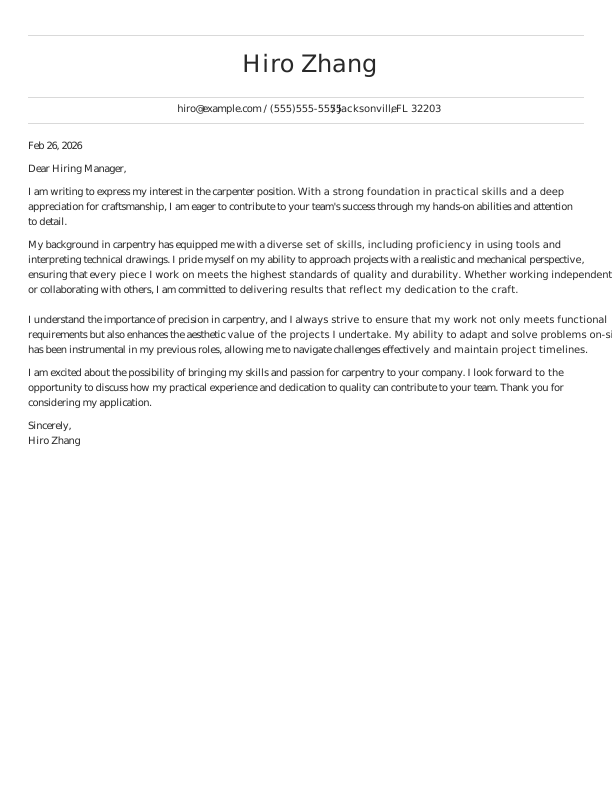

Popular Carpenter Cover Letter Examples
Entry-Level Carpenter Cover Letter
Ideal for recent trade school graduates or carpenters with one or two years of hands-on experience, this friendly and informative template allows you to highlight your practical skills, innovative projects, and passion for craftsmanship as you embark on your professional journey in carpentry.
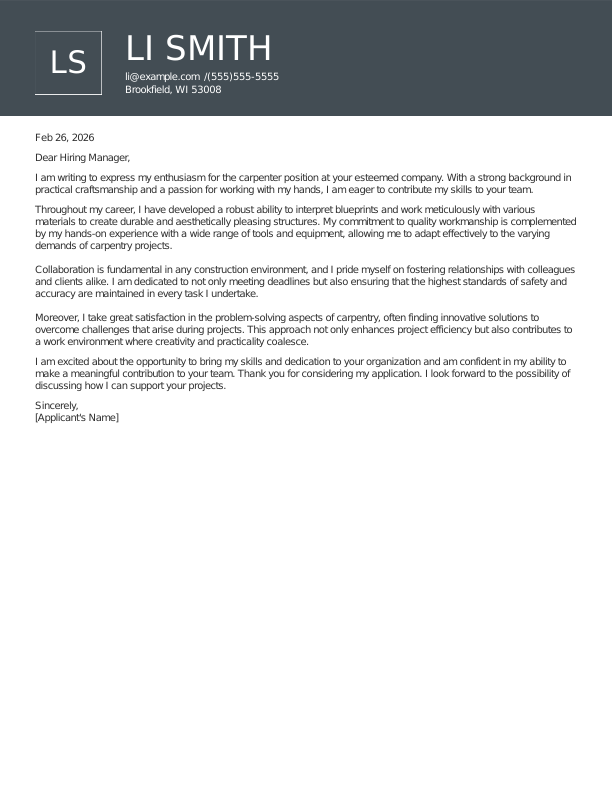
Highlights adaptability and craftsmanship skills while showcasing a commitment to continuous improvement in carpentry, allowing the job seeker to bring innovative techniques and fresh ideas to seasoned construction teams
Experienced Carpenter Cover Letter
This cover letter template is perfect for experienced carpenters with over 10 years in the field seeking to advance into leadership roles, specialized projects, or mentorship opportunities while continuing to deliver high-quality craftsmanship and innovation in their work.

Exhibits strong project management skills and highlights extensive carpentry experience, detailing measurable contributions to craftsmanship quality, team collaboration on construction projects, and adherence to safety standards that improve overall worksite efficiency
Carpenter Cover Letter Template
Looking to craft a personalized cover letter? You can easily copy the text version below or explore our diverse collection of cover letter templates to discover the ideal format for your carpenter career.
Hiro Zhang
Jacksonville, FL 32203
(555)555-5555
hiro@example.com
Feb 26, 2026
Dear Hiring Manager,
I am writing to express my interest in the carpenter position. With a strong foundation in practical skills and a deep appreciation for craftsmanship, I am eager to contribute to your team's success through my hands-on abilities and attention to detail.
My background in carpentry has equipped me with a diverse set of skills, including proficiency in using tools and interpreting technical drawings. I pride myself on my ability to approach projects with a realistic and mechanical perspective, ensuring that every piece I work on meets the highest standards of quality and durability. Whether working independently or collaborating with others, I am committed to delivering results that reflect my dedication to the craft.
I understand the importance of precision in carpentry, and I always strive to ensure that my work not only meets functional requirements but also enhances the aesthetic value of the projects I undertake. My ability to adapt and solve problems on-site has been instrumental in my previous roles, allowing me to navigate challenges effectively and maintain project timelines.
I am excited about the possibility of bringing my skills and passion for carpentry to your company. I look forward to the opportunity to discuss how my practical experience and dedication to quality can contribute to your team. Thank you for considering my application.
Sincerely,
Hiro Zhang
Writing Your Carpenter Cover Letter
Are you ready to create a carpenter cover letter that impresses potential employers? Our detailed guide on how to write a cover letter will help you showcase your carpentry skills and craftsmanship. With our step-by-step approach, you'll be able to highlight your unique qualities, making it easier for you to land interviews and secure the job of your dreams.
Research & Personalize Your Approach
Before writing your cover letter, take the time to research the construction company or contractor you're applying to. Visit its website, review recent projects and client testimonials, and understand its values, culture, and goals within the industry. This insight will allow you to customize your message, showcasing your skills as a carpenter while demonstrating genuine interest in their work.
When formatting your cover letter header, aim to address it directly to the hiring manager or lead contractor if possible. If you cannot find a specific name, use targeted alternatives like "Dear Hiring Committee" or "Dear [Company Name] Administration" instead of generic greetings. A well-crafted cover letter header reflects professionalism and attention to detail in your application.
When crafting your carpenter cover letter, research the history of the organization, its recent achievements, and general trends and advancements in the industry. By referencing specifics, you demonstrate your genuine interest and commitment to contributing to their success.
Craft a Compelling Introduction
Begin your cover letter with a compelling statement that highlights your experience and passion for carpentry. Your opening should draw the reader in, showcasing how your skills align perfectly with the role. Make it clear why you're excited about this opportunity, creating an immediate connection between your background and the employer's goals.
Strong opening example
With over seven years of hands-on experience in residential carpentry and specialized training in sustainable building practices, I am eager to apply my skills and passion for craftsmanship to the carpenter position at Evergreen Construction Company.
Highlight Relevant Skills Strategically
Highlight two or three key qualifications that are essential for the carpenter role. Instead of detailing every skill, focus on the most relevant ones and provide specific examples of how you’ve applied them in previous projects to demonstrate your craftsmanship and problem-solving abilities. Improve clarity by using bullet points on your cover letter, which can make your core competencies stand out more to potential employers.
Essential skills to emphasize
- Skill in woodworking techniques
- Expertise in blueprint reading
- Strong problem-solving skills
- Attention to detail and precision
- Effective communication abilities
- Time management skills
- Knowledge of safety regulations
- Ability to work collaboratively
- Adaptability to diverse projects
- Customer service orientation
Save time by using a professional cover letter template from Google Docs or Microsoft Word. These templates ensure your formatting appears polished and clean, allowing you to focus on highlighting your carpentry skills and relevant experience for each job application.
Demonstrate Measurable Contributions
When crafting your carpenter cover letter, highlight quantifiable achievements that showcase your skills. Employers appreciate applicants who can present measurable contributions, such as the number of projects completed on time or budget savings generated through efficient practices. These figures help hiring managers understand the value you will add to the team.
Examples of quantifiable achievements
- Completed 15 residential projects within deadlines, improving client satisfaction by 90%
- Achieved a 25% reduction in material waste through efficient project planning
- Increased team productivity by 40% through streamlined communication and task delegation
- Mentored 4 apprentices, resulting in a successful transition to full-time roles
- Implemented safety protocols that reduced onsite accidents by 50% over two years
Address Special Circumstances Effectively
If you're making a career transition, acknowledge this briefly in your cover letter while emphasizing the skills and experiences that make you an excellent carpenter. Focus on how your unique background improves your craftsmanship and problem-solving abilities.
For new graduates, highlight any internships, relevant coursework, or hands-on projects that showcase your skills. If you're a career changer, draw parallels between previous roles and carpentry-related tasks, demonstrating how those experiences contribute to your skill in the trade. Showcasing your commitment to quality work will set you apart as a applicant.
Acknowledge career pauses with confidence and keep the explanation short. Redirect the conversation to your qualifications without apologizing for your situation or offering unnecessary personal details.
Close With Confidence & Next Steps
Your cover letter closing should convey your enthusiasm for the carpenter position. Express your eagerness to discuss how your skills can benefit the company with clarity. Mention your availability for an interview, indicating specific days and times you can meet. A memorable conclusion will leave employers excited to connect with you and learn more about how you can contribute.
Professional closing example
Thank you for considering my application for the carpenter position at [Company Name]. I am excited about the opportunity to bring my extensive woodworking skills and dedication to quality craftsmanship to your team. I am available for an interview at your convenience and look forward to discussing how I can contribute to the success of [Company Name].
5 Cover Letter Formatting Tips
- Use standard business letter format
When crafting a cover letter for a carpenter position, it's best to adhere to a standard cover letter format. Start with your contact information at the top, followed by the date and the employer's details. Choose a professional font such as Arial or Times New Roman in size 11 or 12. Maintaining one-inch margins around the page and using single spacing will improve readability. Following this format will help ensure your cover letter stands out.
- Keep it to one page
Hiring managers sift through numerous applications, so it’s essential to communicate your qualifications concisely. A one-page cover letter challenges you to highlight your most relevant skills and experiences effectively. This focused approach ensures that the key information about your carpentry expertise stands out, making a strong impression in a competitive field.
- Create clear paragraph breaks
When crafting a carpenter cover letter, create clear paragraph breaks for easy readability. Start with an engaging opening hook that captures attention. Follow with two or three body paragraphs detailing your skills and experiences relevant to carpentry. Conclude with a strong closing statement expressing your enthusiasm for the role. Use white space effectively to improve scanning and ensure professionalism.
- Match your resume design
When crafting your carpenter cover letter, ensure the header matches your resume's design for a unified application. A cohesive look showcases your professionalism and meticulousness. Employers appreciate this attention to detail as it reflects your commitment to quality work, which is essential in the carpentry field.
- Proofread thoroughly
For carpenters, precision and attention to detail are vital. A well-proofread cover letter reflects your commitment to quality work. Read your letter aloud to catch mistakes, use spell-check tools, and have a trusted colleague review it. Remember, even minor errors can lead to immediate disqualification from job opportunities in this competitive field.
Tools for Your Job Search
Are you ready to take the next step in your carpentry career? The AI Cover Letter Generator can help you craft tailored cover letters in minutes. Whether you're applying for a residential project or a commercial contract, this tool customizes your application based on your skills and the specifics of the job you're pursuing.
Need assistance with your resume? Use our ATS Resume Checker to see how well your resume will perform with employer automated systems. Additionally, the AI Resume Builder provides smart content suggestions and sleek templates to showcase your carpentry experience, ensuring you stand out to hiring managers.
Frequently Asked Questions
Last Updated: March 3, 2026
A cover letter should be one page long, typically structured in three of four paragraphs. This format allows you to present your qualifications and enthusiasm for the carpenter position without overwhelming the hiring manager with too much information. It gives you enough space to make a strong impression while remaining concise.
Understanding how long a cover letter should be is essential for balancing thoroughness with respect for recruiters' time. They often have limited moments to review each application, so keeping your content focused helps ensure that your key skills and experiences capture their attention quickly, making your application stand out among others.
The difference between a cover letter and a resume is related to the purpose they each serve. Your resume presents your qualifications in a clear, structured manner. It highlights the "what"—the specific skills you've acquired, the jobs you've held, and your educational background. In contrast, your cover letter provides the "why" and "how." It explains your enthusiasm for carpentry, how your hands-on experience equips you for the role, and what draws you to this particular company’s projects.
Grasping this difference is important for job applications that stand out. By recognizing that each document serves a different purpose, you can tailor them to showcase various elements of your expertise. This approach ensures that your resume focuses on concise listings while your cover letter engages hiring managers with deeper insights into your motivations and personality.
Yes, you should submit a cover letter even if it's not required. Submitting a cover letter shows that you’re putting in the extra effort to stand out as a carpenter. This not only highlights your skills but also allows employers to see your communication abilities and genuine interest in the job, which can make a significant difference.
The purpose of a cover letter is to convey your unique qualifications and enthusiasm for the role. Picture this: two equally qualified carpenters apply for the same position, but one includes a thoughtful cover letter sharing their passion for craftsmanship and project experiences. Which applicant do you think will leave a stronger impression on the hiring manager? When in doubt, always include that cover letter—it’s an opportunity to showcase who you're beyond your resume.
A well-structured cover letter should be neat, coherent, and easy to skim quickly. It should follow a formal business letter format, beginning with your contact information at the top, followed by the date and the recipient’s details. Opt for a clean font such as Arial or Times New Roman in sizes 11 or 12, maintaining standard margins and single spacing to improve readability.
If you’re asking what does a cover letter look like, it typically features a clear header, a personalized greeting, and 3-4 concise paragraphs in the body that articulate your qualifications. The closing section should convey professionalism with your signature included. This layout not only presents your information clearly but also projects an organized image that employers appreciate.


Don is a Certified Professional Resume Writer (CPRW) with more than 10 years’ experience creating digital content, including four years helping job seekers develop their careers.
More resources
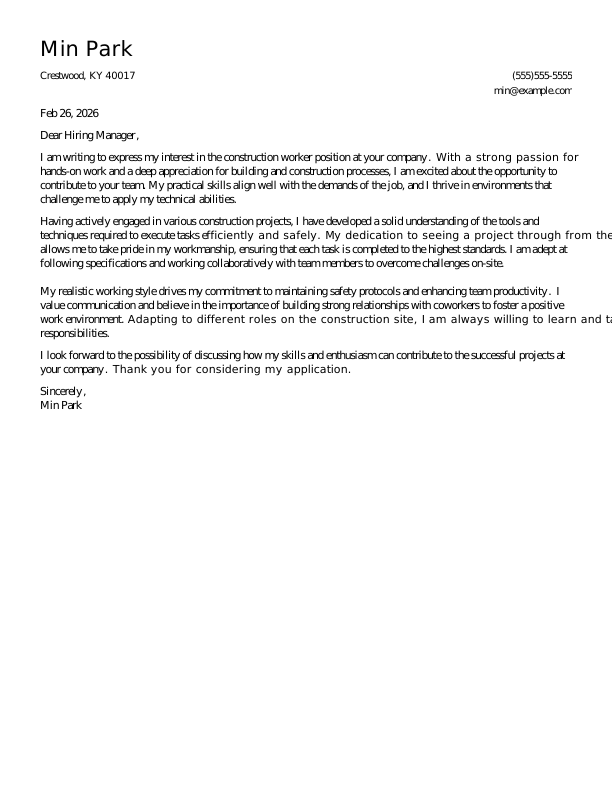
Construction Worker Cover Letter: Examples & Templates
As a construction worker you need a cover letter that highlig...
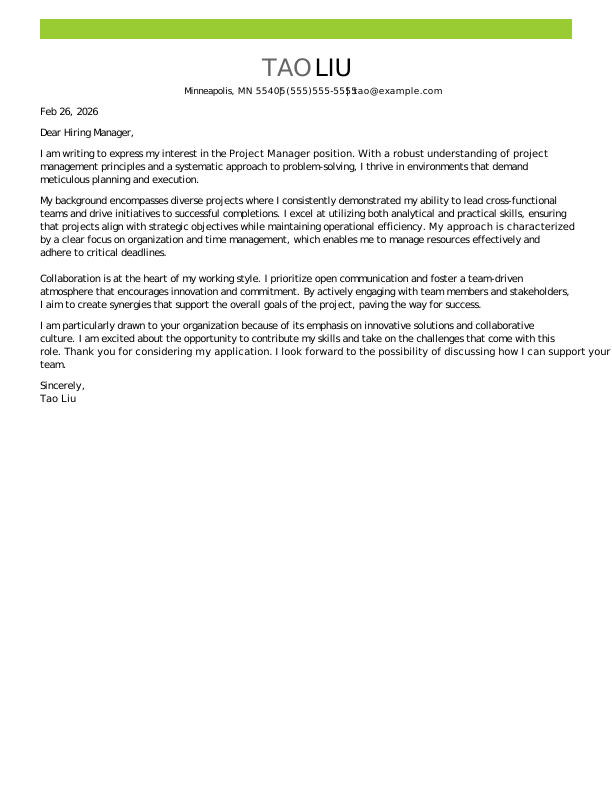
Project Manager Cover Letter: Examples & Templates
As a project manager you need a cover letter that highlights ...
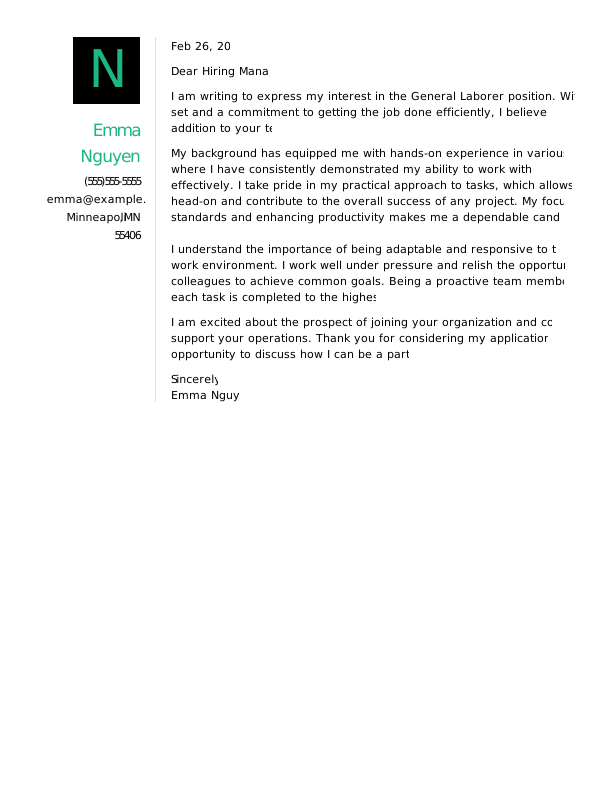
General Laborer Cover Letter: Examples & Templates
As a general laborer you need to present your skills effectiv...
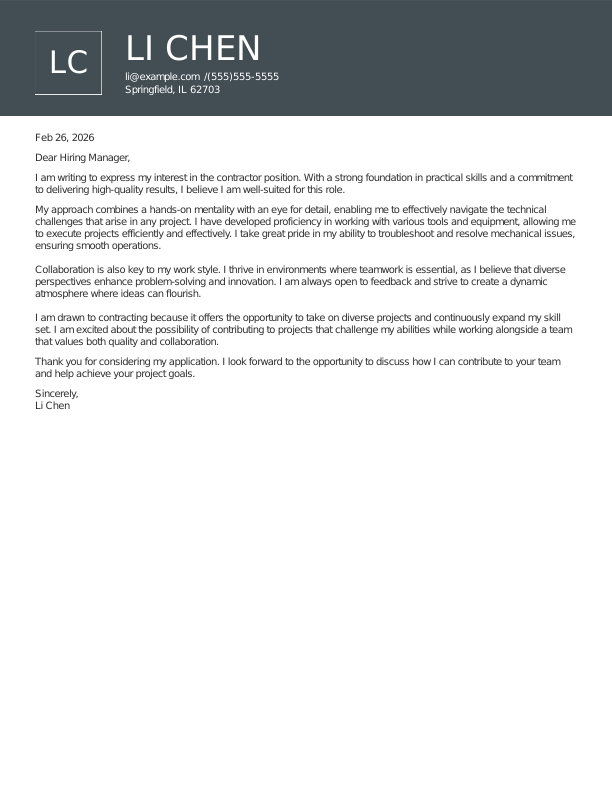
Contractor Cover Letter: Examples & Templates
As a contractor you need a cover letter that highlights your ...
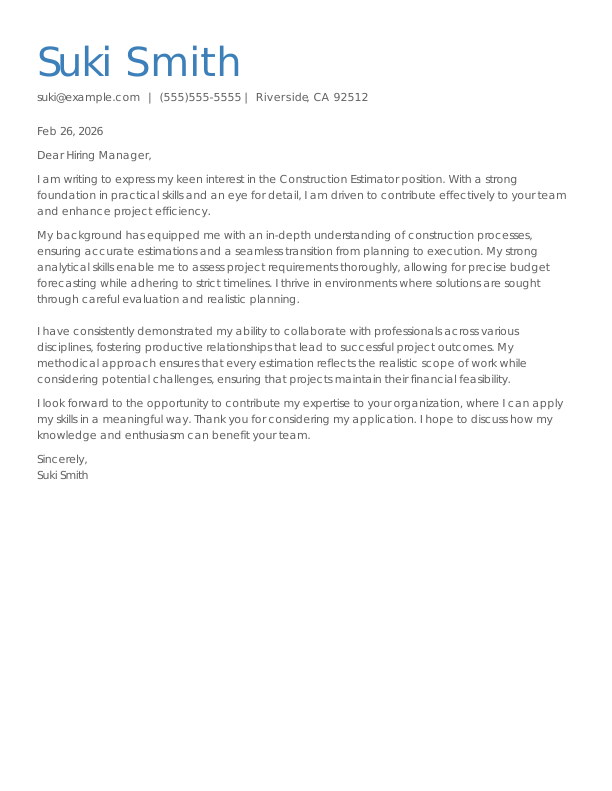
Construction Estimator Cover Letter: Examples & Templates
As a construction estimator you need to present your ability ...

 Get the job 2x faster*
  Customize your cover letter