


Popular Contractor Cover Letter Examples
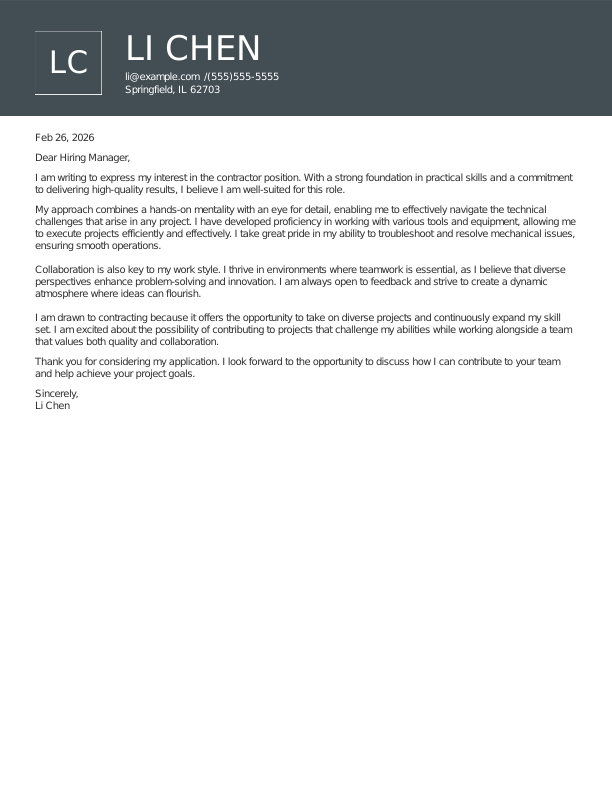
Entry-Level Contractor Cover Letter
Ideal for recent graduates or professionals with up to two years of experience, this entry-level cover letter template highlights your relevant skills, fresh insights, and enthusiasm as you embark on your contracting career with a friendly and informative tone.

Showcases hands-on project experience and strong problem-solving skills, illustrating the applicant's eagerness to contribute immediately while emphasizing a commitment to quality work and collaboration within the construction team.
Experienced Contractor Cover Letter
This cover letter template is perfect for experienced contractors with over 10 years in the field seeking advanced project management roles, specialized opportunities, or positions that allow them to mentor emerging professionals while continuing to deliver exceptional results and maintain high standards of quality in their work.
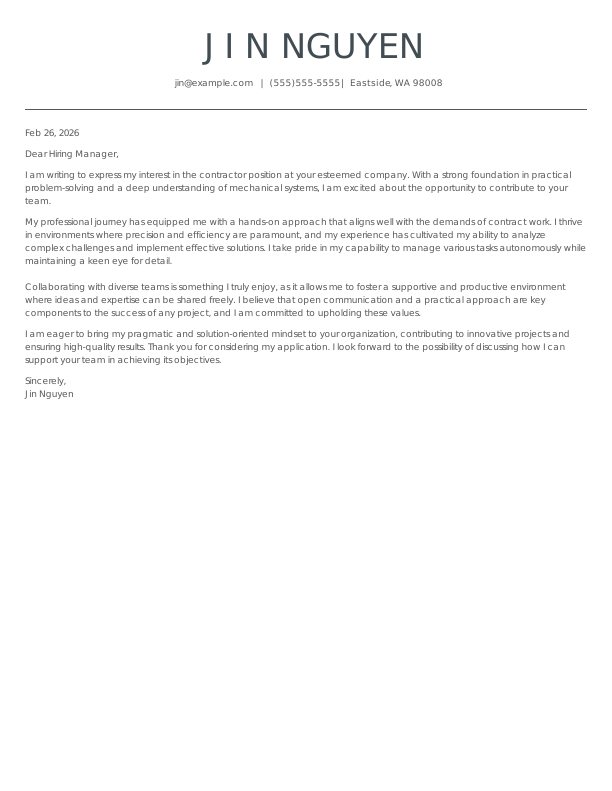
Highlights strong project management skills and illustrates extensive hands-on experience, delivering measurable results in cost efficiency, team collaboration, and adherence to safety standards across diverse construction projects
Contractor Cover Letter Template
Looking to personalize your cover letter? Use the text version below for easy copying, or explore our diverse collection of cover letter templates to find the ideal format that suits your contractor career.
Li Chen
Springfield, IL 62703
(555)555-5555
li@example.com
Feb 26, 2026
Dear Hiring Manager,
I am writing to express my interest in the contractor position. With a strong foundation in practical skills and a commitment to delivering high-quality results, I believe I am well-suited for this role.
My approach combines a hands-on mentality with an eye for detail, enabling me to effectively navigate the technical challenges that arise in any project. I have developed proficiency in working with various tools and equipment, allowing me to execute projects efficiently and effectively. I take great pride in my ability to troubleshoot and resolve mechanical issues, ensuring smooth operations.
Collaboration is also key to my work style. I thrive in environments where teamwork is essential, as I believe that diverse perspectives enhance problem-solving and innovation. I am always open to feedback and strive to create a dynamic atmosphere where ideas can flourish.
I am drawn to contracting because it offers the opportunity to take on diverse projects and continuously expand my skill set. I am excited about the possibility of contributing to projects that challenge my abilities while working alongside a team that values both quality and collaboration.
Thank you for considering my application. I look forward to the opportunity to discuss how I can contribute to your team and help achieve your project goals.
Sincerely,
Li Chen
Writing Your Contractor Cover Letter
Are you ready to craft a contractor cover letter that grabs the attention of potential clients? Our step-by-step guide on how to write a cover letter will assist you in highlighting your skills, experience, and commitment to delivering quality results. With our tips, you'll be well-equipped to make a lasting impression that leads to new opportunities in your contracting career.
Research & Personalize Your Approach
Before crafting your cover letter, take the time to thoroughly research the contracting company. Visit its website, review recent projects and campaigns, and familiarize yourself with its values, culture, and business goals. This research will empower you to customize your message, demonstrating genuine interest in how your skills align with the organization's mission.
When formatting your cover letter header, always aim to address it directly to a specific individual if possible. If you cannot find a name, use targeted alternatives such as "Dear Hiring Manager" or "Dear [Company Name] Team." A personalized approach in your cover letter header improves professionalism and shows that you've taken the time to connect with the organization on a deeper level.
To create a standout cover letter as a contractor, look into the company’s latest projects or awards as well as general trends and developments in the industry. Referencing recent milestones demonstrates your interest and shows that you've taken the time to understand the role.
Craft a Compelling Introduction
Begin your cover letter with a compelling statement that highlights your relevant skills and enthusiasm for contracting work. This first sentence should grab attention, clearly articulate your goals, and demonstrate how your background aligns perfectly with the employer's needs. A strong opening sets the tone for the rest of your application and showcases your readiness to contribute effectively.
Strong opening example
With over seven years of experience in residential and commercial construction projects, along with specialized training in sustainable building practices, I am eager to bring my expertise and passion for quality craftsmanship to your contractor position at GreenBuild Construction.
Highlight Relevant Skills Strategically
Highlight two or three key qualifications that align with the contractor position you’re applying for. Instead of overwhelming the reader with every skill, choose the most relevant ones and provide concrete examples of how you've applied them in past projects to deliver results. Using bullet points on your cover letter can improve clarity and help your strengths stand out more in your application. This approach ensures your submission is both focused and effective.
Essential skills to emphasize
- Project management skills
- Client relationship building
- Technical writing expertise
- Budgeting and financial analysis
- Risk assessment strategies
- Problem-solving abilities
- Negotiation and persuasion skills
- Adaptability and flexibility
- Time management skill
- Collaboration and teamwork
Save effort with a professional cover letter template from Google Docs or Microsoft Word. These templates ensure clean, polished formatting that lets you emphasize your relevant experience and skills for each contracting opportunity. By streamlining this process, you can focus on what truly matters—your qualifications for the job.
Demonstrate Measurable Contributions
When applying for contractor positions, it's essential to highlight your quantifiable achievements. Employers appreciate job seekers who can demonstrate measurable impacts, such as completed projects on time or under budget. Include metrics like cost savings or efficiency improvements to showcase your contributions. These numbers not only illustrate your capabilities but also help potential employers envision the positive influence you will have on their projects.
Examples of quantifiable achievements
- Reduced project completion time by 20% through efficient resource management
- Maintained a client satisfaction rate of 95% across all projects
- Led a team of 10 contractors to complete a high-profile construction project ahead of schedule
- Increased safety compliance rates by 30% through regular training sessions
- Successfully negotiated vendor contracts that saved the company 15% in annual costs
Address Special Circumstances Effectively
If you're making a career transition, it’s essential to address this in your cover letter without dwelling on the past. Instead, focus on how your diverse experiences improve your value as a contractor. Highlight any relevant projects or skills that align with the job requirements.
For new graduates, discuss internships, coursework, and certifications related to contracting. For those changing careers, draw parallels between previous roles and project management or technical skills that are applicable in contracting work.
Avoid focusing heavily on employment gaps or personal situations. Briefly explain them if needed, then shift the focus back to your qualifications and strengths. There’s no need to overshare or apologize.
Close With Confidence & Next Steps
For crafting a compelling cover letter closing, you should encapsulate your enthusiasm for the contractor position while expressing your desire for an interview. Clearly state your availability and highlight how your skills can drive the company's success. This kind of closing not only reinforces your interest but also leaves employers excited to discuss how you might fit into the team.
Professional closing example
I appreciate the opportunity to apply for the contractor position at [Company Name]. My extensive experience in project management and commitment to quality workmanship align perfectly with your company’s standards. I am available to discuss my qualifications further at your convenience and look forward to the possibility of contributing to the innovative projects at [Company Name].
5 Cover Letter Formatting Tips
- Use standard business letter format
When crafting a cover letter for a contractor position, adhere to standard business letter format. Start with your contact information, followed by the date and the employer's details. Use a professional font such as Arial or Times New Roman in 11-12 point size. Ensure one-inch margins all around and apply single spacing between lines for clarity. Using this cover letter format will help present your application in a polished manner.
- Keep it to one page
Hiring managers sift through numerous contractor applications, so it’s important to communicate clearly and concisely. A one-page cover letter encourages you to highlight your most relevant skills and accomplishments, showcasing what makes you the ideal job seeker for the role. Focus on your strengths that align with the specific needs of the project or company.
- Create clear paragraph breaks
To create an effective contractor cover letter, ensure clear paragraph breaks. Start with an engaging opening hook to grab attention. Follow with two or three body paragraphs that showcase your relevant skills and experiences. Conclude with a strong closing statement that reiterates your enthusiasm for the position. Remember to use white space effectively for easy readability and quick scanning.
- Match your resume design
Your contractor cover letter should reflect the design and layout of your resume for a unified look. A matching header and consistent formatting convey professionalism and attention to detail, qualities that potential clients appreciate. Ensure both documents work together to present a polished image of your skills and experience in the contracting field.
- Proofread thoroughly
As a contractor, accuracy in your cover letter is vital. Clients expect attention to detail and professionalism. To ensure your letter is error-free, read it aloud to catch mistakes, use spell-check for initial reviews, and have a trusted peer provide feedback. Remember, even minor errors can jeopardize your chances of landing that project.
Tools for Your Job Search
Looking to land that contractor role? Our AI Cover Letter Generator crafts personalized cover letters that reflect your unique skills and experiences tailored to the specific company you're applying to. This tool ensures you make a strong first impression, showcasing what makes you an ideal applicant for the position.
Need help with your resume? The ATS Resume Checker provides insights into how your resume stacks up against automated systems many employers use. Plus, our AI Resume Builder offers smart content suggestions and beautifully designed templates, helping you highlight your qualifications to grab hiring managers' attention.
Frequently Asked Questions
Last Updated: March 3, 2026
A cover letter should be one page long, composed of three or four paragraphs. This format provides ample space to showcase your relevant qualifications and express your enthusiasm for the contractor position without overwhelming hiring managers with too much information.
Understanding how long a cover letter should be is essential for maintaining the right balance between being thorough and respecting recruiters' limited time. Since they often spend only a few moments reviewing applications, keeping your content concise ensures that your most important points are easily identified and appreciated amidst numerous submissions.
The difference between a cover letter and a resume is related to the purpose they each serve. Your resume serves as a summary of your qualifications, presenting your skills and experiences in a clear format. It highlights the "what"—what positions you've held, what training you've completed, and what achievements you've made. On the other hand, your cover letter provides context for those details. It answers the "why" and "how," explaining why you're excited about this opportunity and how your unique background aligns with the company's values or goals.
Recognizing the cover letter vs resume distinction is important for using both documents to your advantage. Each serves a different purpose: while your resume outlines facts, your cover letter personalizes your application by connecting your experiences to the specific role. This strategic use improves your appeal to potential employers and shows thoughtful engagement with their needs.
Yes, you should submit a cover letter even if it's not requiredSubmitting a cover letter, even when it's not required, signals your dedication to making a strong impression. It showcases your willingness to go the extra mile, allowing employers to evaluate not only your qualifications but also your communication skills and genuine interest in the contracting role.
The purpose of a cover letter is to provide insight into what makes you unique as a job seeker. Consider this: if two equally qualified contractors apply for the same project and one includes a thoughtful cover letter detailing their relevant experiences and how they align with the project goals, who do you think stands out? When in doubt, always include that cover letter—it can be the deciding factor that sets you apart from the competition.
A well-structured cover letter should be neat, organized, and easy to read at a glance. Use a standard business letter format that includes your contact information at the top, followed by the date and the recipient's details. Opt for a professional font such as Arial or Times New Roman in sizes 11-12 points, maintaining standard margins and single spacing between lines for optimal clarity.
If you're asking what does a cover letter look like, it typically features a clear header, a personalized greeting, and 3-4 concise paragraphs in the body section. The closing should reflect professionalism with your signature included. This layout not only improves readability but also ensures that your application appears polished and impressive to potential employers.


Don is a Certified Professional Resume Writer (CPRW) with more than 10 years’ experience creating digital content, including four years helping job seekers develop their careers.
More resources
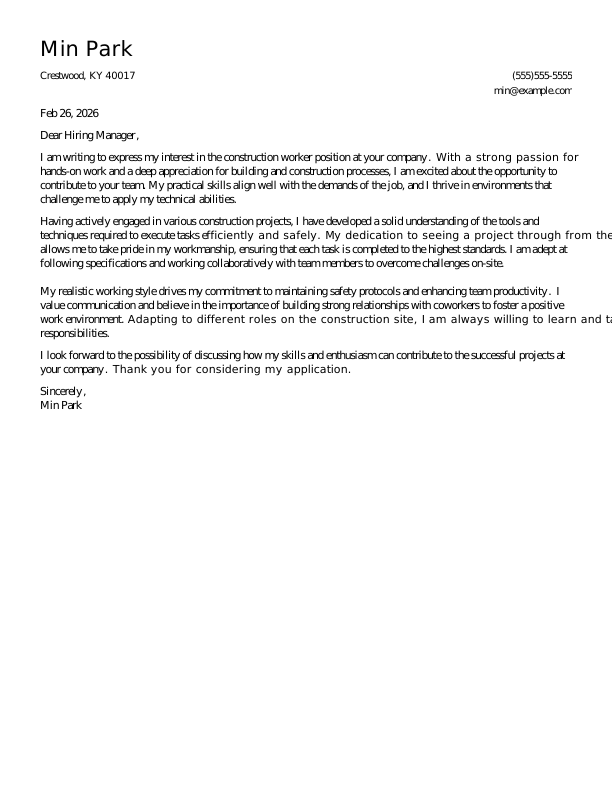
Construction Worker Cover Letter: Examples & Templates
As a construction worker you need a cover letter that highlig...
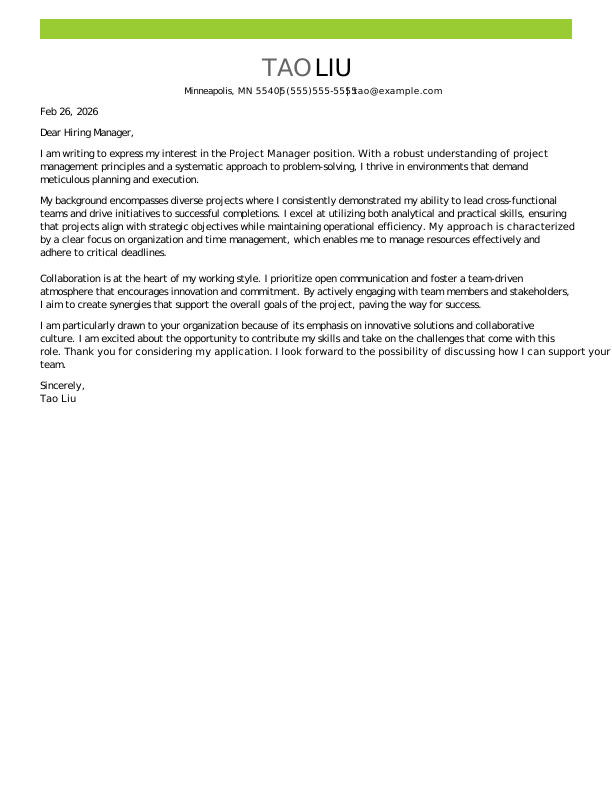
Project Manager Cover Letter: Examples & Templates
As a project manager you need a cover letter that highlights ...
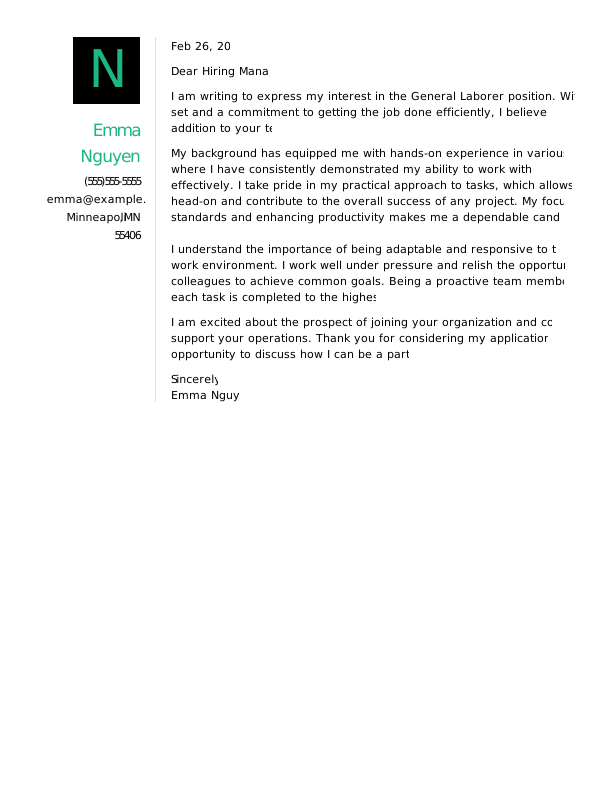
General Laborer Cover Letter: Examples & Templates
As a general laborer you need to present your skills effectiv...
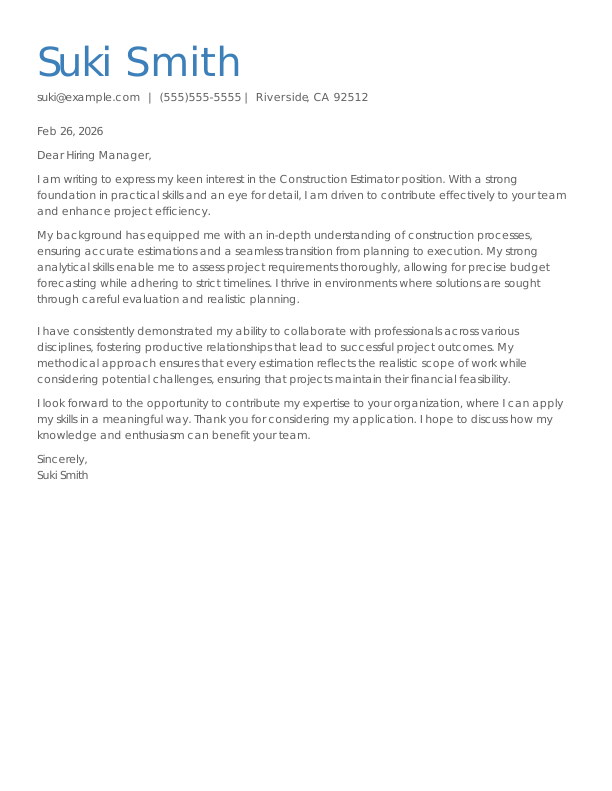
Construction Estimator Cover Letter: Examples & Templates
As a construction estimator you need to present your ability ...
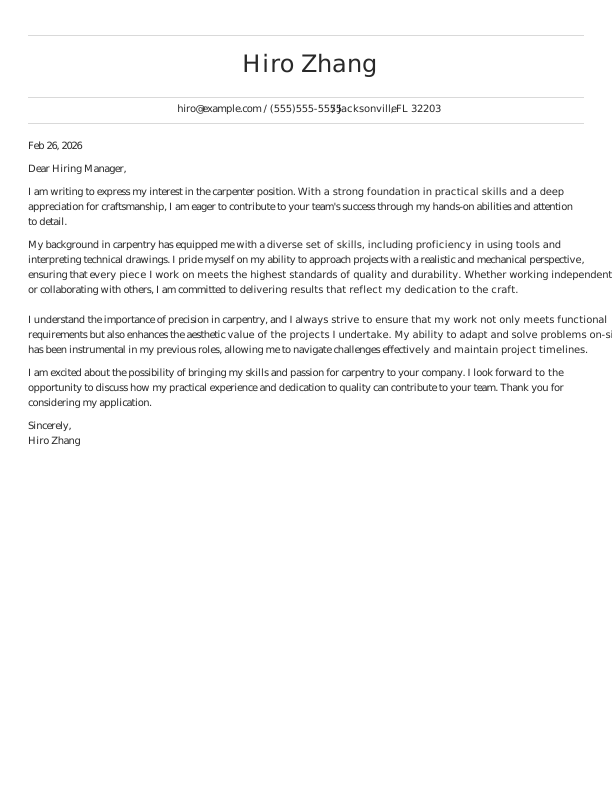
Carpenter Cover Letter: Examples & Templates
As a carpenter you understand that employers are looking for ...

Professional Maintenance Cover Letter Sample & Writing Guide
Get inspired with our maintenance cover letter examples templ...
 Get the job 2x faster*
  Customize your cover letter