


Popular Executive Director Cover Letter Examples
Entry-Level Executive Director Cover Letter
Ideal for recent graduates or professionals with one or two years of leadership experience, this entry-level cover letter template allows job seekers to highlight their innovative ideas, relevant achievements, and passion for driving organizational success while maintaining a friendly and informative tone.

Showcases a proactive approach to leadership and strategic vision while underscoring a commitment to continuous improvement, highlighting the applicant's ability to integrate innovative ideas into existing frameworks and foster collaborative growth within executive teams
Experienced Executive Director Cover Letter
This cover letter template is perfect for accomplished leaders with over 10 years of experience aiming for executive director roles, seeking to drive organizational vision, inspire teams, and mentor emerging leaders.

Highlights extensive leadership experience while demonstrating a proven track record of driving strategic initiatives and fostering organizational growth, significantly improving operational efficiency and stakeholder engagement across diverse sectors
Executive Director Cover Letter Template
If you're looking to make a strong impression with your cover letter, consider exploring our diverse collection of cover letter templates to find the ideal format that suits your executive director career. Alternatively, feel free to use the text version below for easy copying.
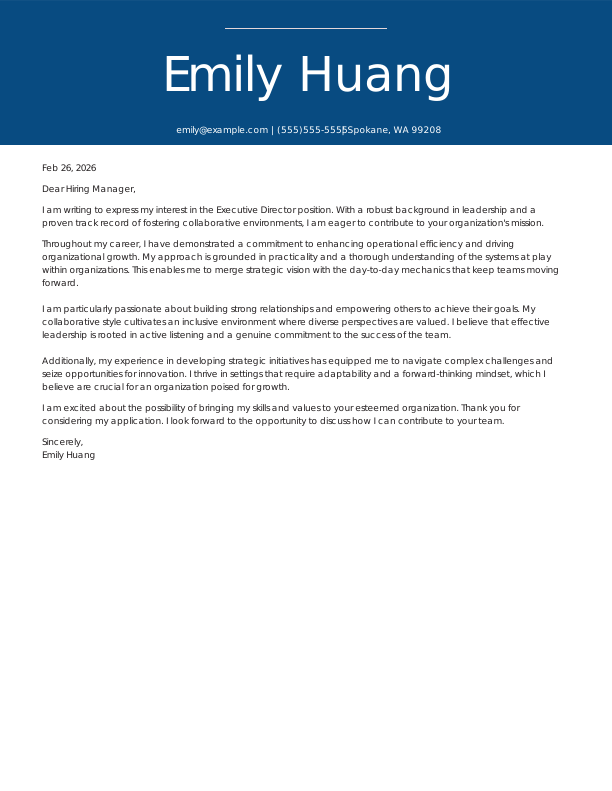
Emily Huang
Spokane, WA 99208
(555)555-5555
emily@example.com
Feb 26, 2026
Dear Hiring Manager,
I am writing to express my interest in the Executive Director position. With a robust background in leadership and a proven track record of fostering collaborative environments, I am eager to contribute to your organization's mission.
Throughout my career, I have demonstrated a commitment to enhancing operational efficiency and driving organizational growth. My approach is grounded in practicality and a thorough understanding of the systems at play within organizations. This enables me to merge strategic vision with the day-to-day mechanics that keep teams moving forward.
I am particularly passionate about building strong relationships and empowering others to achieve their goals. My collaborative style cultivates an inclusive environment where diverse perspectives are valued. I believe that effective leadership is rooted in active listening and a genuine commitment to the success of the team.
Additionally, my experience in developing strategic initiatives has equipped me to navigate complex challenges and seize opportunities for innovation. I thrive in settings that require adaptability and a forward-thinking mindset, which I believe are crucial for an organization poised for growth.
I am excited about the possibility of bringing my skills and values to your esteemed organization. Thank you for considering my application. I look forward to the opportunity to discuss how I can contribute to your team.
Sincerely,
Emily Huang
Writing Your Executive Director Cover Letter
Our detailed guide on how to write a cover letter will help you highlight your leadership experience and strategic vision in a way that resonates with employers. Get prepared to showcase your unique qualifications and make a lasting impression that drives decisions in your favor.
Research & Personalize Your Approach
Before writing your cover letter, take the time to thoroughly research the organization and its leadership. Visit the company website to review current initiatives, recent news, and strategic goals. Understanding its core values and organizational culture will empower you to customize your message, demonstrating your genuine interest in contributing to its mission as an executive director.
When formatting your cover letter header, always strive to address it directly to the hiring manager or relevant decision-maker if you can find their names. If a specific name isn't available, opt for targeted alternatives such as "Dear Hiring Committee" or "Dear [Organization Name] Administration." Using these personalized salutations in your cover letter header improves professionalism and shows attention to detail in your application.
When creating your cover letter for an executive director position, take the time to research recent developments in your industry. By highlighting recent developments, you demonstrate your genuine interest in the industry and your commitment to contributing to the role.
Craft a Compelling Introduction
Begin your cover letter with a compelling statement that highlights your leadership experience and passion for the executive director role. Clearly articulate your purpose while showcasing how your skills align with the organization's mission. This opening should not only grab attention but also demonstrate your commitment to driving effective results in their specific context.
Strong opening example
With over ten years of leadership experience in nonprofit management and a proven track record in fundraising strategies, I am eager to leverage my expertise in organizational growth as the executive director at Green Future Foundation, where I can contribute to powerful community initiatives.
Highlight Relevant Qualifications Strategically
Highlight two or three key qualifications that align with the executive director role. Rather than overwhelming the reader with a long list of skills, focus on the most relevant attributes and provide concrete examples of how you've implemented these in previous leadership positions to drive organizational growth and success. Additionally, using bullet points on your cover letter can significantly improve readability, allowing your strengths to stand out more clearly.
Essential skills to emphasize
- Strategic planning and organizational leadership
- Financial management skills
- Stakeholder engagement and relationship building
- Program evaluation and outcome measurement
- Team development and mentoring
- Crisis management skills
- Advocacy and public speaking abilities
- Collaboration across departments
- Data analysis for informed decision-making
- Change management expertise
Maximize your efficiency with a professional cover letter template from Google Docs or Microsoft Word. These templates ensure clean and polished formatting, letting you concentrate on highlighting your leadership experience and qualifications tailored to each executive director role.
Demonstrate Measurable Achievements
When applying for an executive director position, showcasing quantifiable achievements is important. Highlight specific metrics related to your leadership impact, such as revenue growth or team performance improvements. These numbers allow hiring managers to clearly see the value you can bring to their organization and help them envision your potential contributions to their strategic goals.
Examples of quantifiable achievements
- Increased annual fundraising revenue by 40% through strategic partnerships and community outreach
- Achieved a 90% staff retention rate over three years by fostering a supportive work environment
- Expanded program reach by serving an additional 1,000 clients through innovative service delivery models
- Led a team that improved operational efficiency, reducing costs by 15% while maintaining quality
- Drove stakeholder engagement initiatives resulting in a 50% increase in participation for key events
Address Special Circumstances Effectively
If you're making a career transition into the role of executive director, it's important to acknowledge this shift briefly while emphasizing the strengths you bring to the position. Focus on how your diverse experiences improve your leadership capabilities instead of dwelling on gaps.
For new graduates, highlight any internships, relevant coursework, and leadership roles in student organizations that showcase your potential. For those changing careers, connect past positions to essential skills needed for an executive director role, demonstrating your commitment to organizational success and community impact.
Clarify employment gaps when necessary, but stay focused on your strengths and future contributions. There’s no need to overexplain or express regret for past circumstances.
Close With Confidence & Next Steps
Your cover letter closing should highlight your enthusiasm for the executive director position. Clearly express your desire for an interview and mention specific times you're available to meet. Reinforce how your leadership skills can drive the organization's success. A compelling closing will leave employers excited to discuss your potential contributions further.
Professional closing example
Thank you for considering my application for the executive director position at [Company Name]. I am excited about the opportunity to leverage my leadership experience and strategic vision to advance your organization's mission. I look forward to discussing how my background and dedication can contribute to your goals, and I am available for an interview at your convenience.
5 Cover Letter Formatting Tips
- Use standard business letter format
When crafting your executive director cover letter, it's best to adhere to a standard business letter format. Start with your contact information at the top, followed by the date and the employer's details. Use a professional font like Arial or Times New Roman in 11-12 point size. Make sure you maintain one-inch margins and use single spacing between lines for a clean presentation. Following this cover letter format will improve clarity and professionalism.
- Keep it to one page
Hiring managers for executive director positions sift through numerous applications, making concise communication essential. A one-page cover letter encourages you to highlight your most relevant qualifications and achievements clearly. This streamlined approach not only respects the reader's time but also allows you to present your best self in a focused manner.
- Create clear paragraph breaks
Creating clear paragraph breaks is important in your cover letter. Start with an engaging opening hook to capture attention. Follow with two or three body paragraphs that highlight your qualifications and experiences relevant to the executive director position. Conclude with a strong closing statement expressing enthusiasm for the role. Remember to use white space effectively for quick readability.
- Match your resume design
Your executive director cover letter should mirror the design of your resume for a unified application package. A matching header and consistent formatting convey professionalism and meticulousness, qualities that employers highly value. Attention to detail in your presentation reflects your leadership abilities and commitment to excellence in your role.
- Proofread thoroughly
For an executive director, attention to detail reflects leadership competence and credibility. Accuracy in your cover letter is important. Read aloud to catch awkward phrasing, use spell-check for precision, and have a trusted colleague review your work. Mistakes can undermine your professionalism and disqualify you from the position.
Tools for Your Job Search
Ready to take the next step in your career as an executive director? Our AI Cover Letter Generator helps you craft personalized cover letters in minutes, tailored to your unique background and the specific organization you’re targeting. This tool ensures your application stands out by showcasing your leadership experience and vision.
Need help with your resume? Our support includes an ATS Resume Checker, which provides insights into how well your resume performs with automated screening systems. Additionally, our AI Resume Builder offers smart content suggestions alongside beautifully designed templates to highlight your expertise, helping you leave a strong impression on hiring committees.
Frequently Asked Questions
Last Updated: February 27, 2026
A cover letter should be one page long, typically consisting of three or four paragraphs. This format provides ample space to highlight your most relevant qualifications and show your enthusiasm for the role without overwhelming the hiring manager with too much information.
Understanding how long a cover letter should be is essential for maintaining a balance between thoroughness and respecting recruiters' limited time. Since they often only spend a few moments reviewing each application, keeping your content concise ensures that your key messages are clear and memorable, allowing you to make a strong impact in a short period.
The difference between a cover letter and a resume is related to the purpose they each serve. Your resume offers a concise overview of your qualifications, showcasing your experience, skills, and education in a clear format. It answers the "what"—what you have achieved and what positions you've held. In contrast, your cover letter dives deeper into the "why" and "how," explaining why you're enthusiastic about a position and how your unique experiences equip you for success in that role. For instance, if you're applying for an executive director position, your cover letter could highlight specific leadership challenges you've navigated.
Understanding the cover letter vs resume distinction is important for presenting yourself to potential employers. By leveraging each document's strengths—resumes for factual achievements and cover letters for personal insights—you can improve your application and better connect with hiring managers.
Yes, you should submit a cover letter even if it's not required. Submitting a cover letter reflects your dedication to making a strong impression. It allows you to demonstrate your communication skills and convey genuine interest in the executive director role. Employers appreciate seeing job seekers who take the initiative to articulate their vision and how they align with the organization's goals.
The purpose of a cover letter is to provide context for your application and showcase what makes you unique. Consider this scenario: two applicants with similar backgrounds apply for the same executive director position, but one includes a well-crafted cover letter that outlines their strategic approach and leadership style. This thoughtful addition can be the deciding factor in landing an interview. So, when in doubt, always include that cover letter—it’s an essential opportunity to differentiate yourself from the competition.
You should use a clear cover letter format that's neat, structured, and easy to read at a glance. It's best presented in a standard business letter format, starting with your contact information at the top, followed by the date and the recipient's information. Opt for a professional font such as Arial or Times New Roman in sizes 11 or 12. Ensure that you maintain standard margins and single line spacing to improve readability.
If you're asking yourself what does a cover letter look like, it typically features a clear header, a personalized salutation, and 3-4 concise paragraphs in the body. The closing should include your signature for a professional touch. This layout not only makes your application stand out but also conveys attention to detail and professionalism that employers appreciate.


Karla is a career writer whose work for Resume Now helped job seekers overcome uncertainty and pursue new opportunities with confidence.
More resources
Vice President Cover Letter: Examples & Templates
As a vice president you re expected to lead with vision and s...
Operations Supervisor Cover Letter: Examples & Templates
As an operations supervisor you need a cover letter that high...
Senior Business Manager Cover Letter: Examples & Templates
As a senior business manager you must highlight your leadersh...
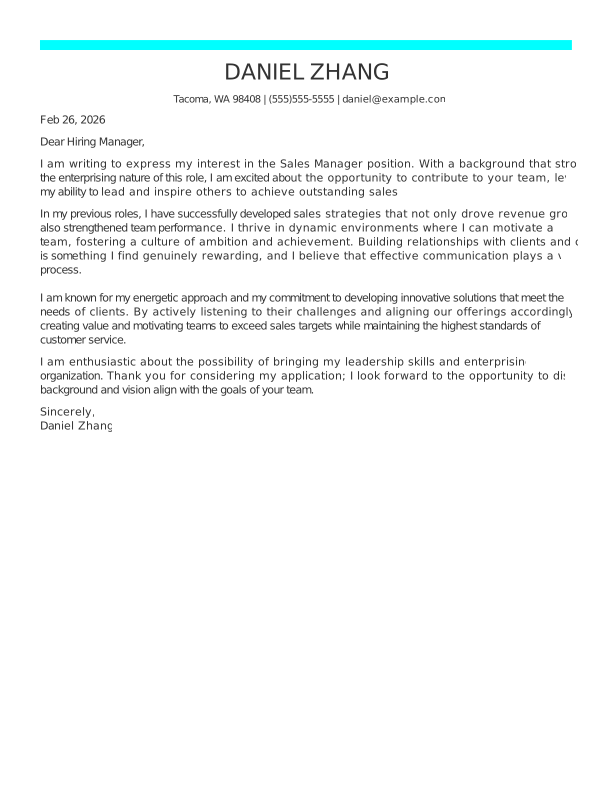
Sales Manager Cover Letter: Examples & Templates
As a sales manager you need to present a cover letter that hi...
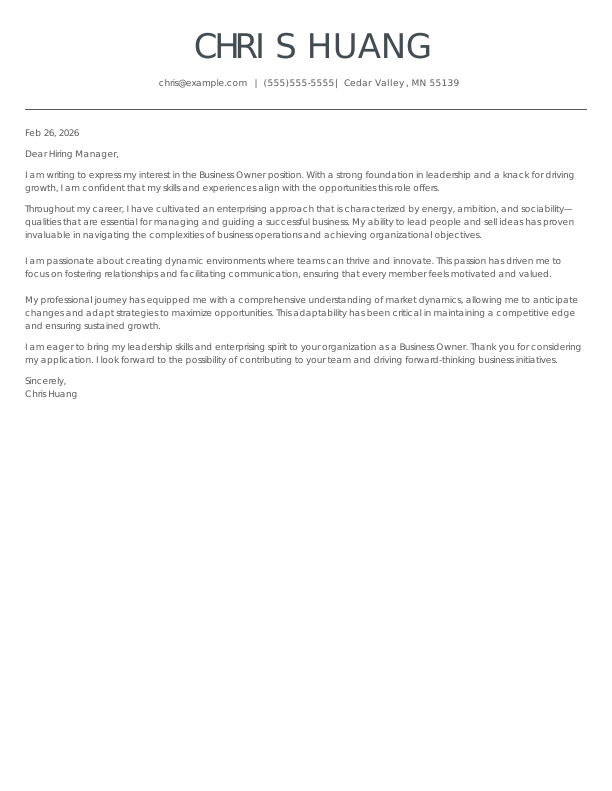
Business Owner Cover Letter: Examples & Templates
As a business owner you must demonstrate to potential partner...
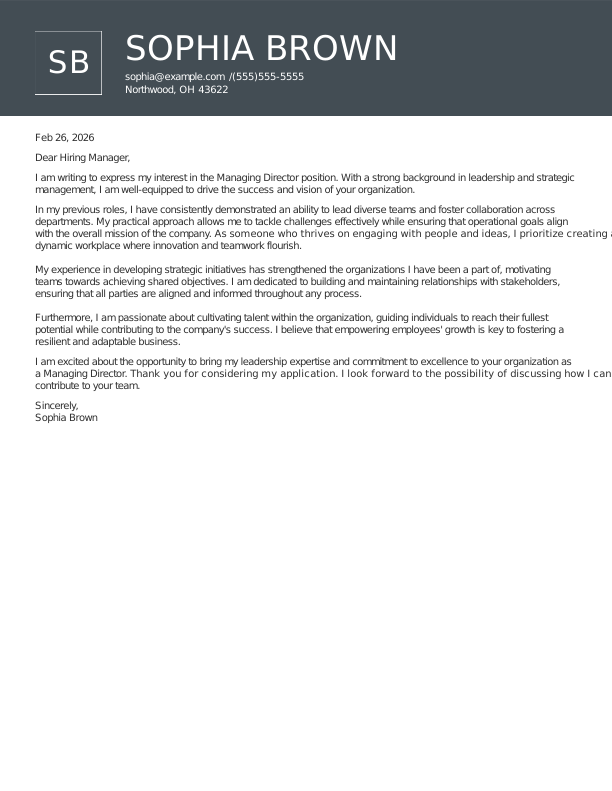
Managing Director Cover Letter: Examples & Templates
As a managing director you need a cover letter that highlight...
 Get the job 2x faster*
  Customize your cover letter