


Popular Operations Manager Cover Letter Examples
Entry-Level Operations Manager Cover Letter
Ideal for recent graduates or professionals with up to two years of experience in operations, this entry-level cover letter template allows you to highlight your academic achievements, relevant internships, and eagerness to contribute effectively as you embark on your career journey in operations management.

Showcases the job seeker's operational expertise and problem-solving abilities, emphasizing relevant experience in managing processes and leading teams while conveying a strong enthusiasm for driving efficiency and achieving organizational goals
Experienced Operations Manager Cover Letter
This cover letter template is perfect for experienced operations managers with over a decade of expertise seeking leadership positions, specialized roles in process optimization, or opportunities to mentor and develop teams while driving organizational excellence and efficiency.

Highlights extensive operations management experience while illustrating measurable contributions to process optimization and team performance across multiple departments, reinforcing a commitment to driving organizational efficiency and effectiveness
Operations Manager Cover Letter Template
Ready to make a standout cover letter tailored to your operations manager role? Feel free to use the text version provided below for easy copying, or take a moment to explore our diverse collection of cover letter templates to discover the ideal format that suits your career path.
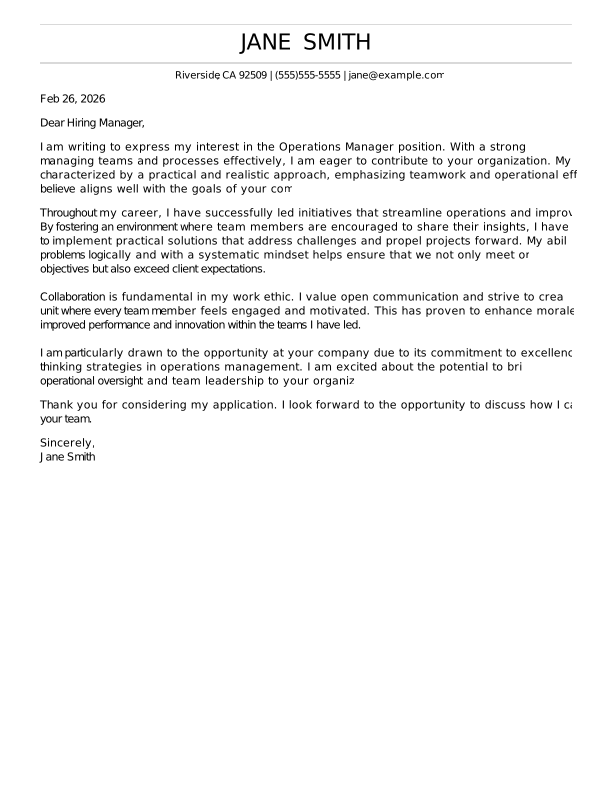
Jane Smith
Riverside, CA 92509
(555)555-5555
jane@example.com
Feb 26, 2026
Dear Hiring Manager,
I am writing to express my interest in the Operations Manager position. With a strong background in managing teams and processes effectively, I am eager to contribute to your organization. My working style is characterized by a practical and realistic approach, emphasizing teamwork and operational efficiency, which I believe aligns well with the goals of your company.
Throughout my career, I have successfully led initiatives that streamline operations and improve productivity. By fostering an environment where team members are encouraged to share their insights, I have been able to implement practical solutions that address challenges and propel projects forward. My ability to approach problems logically and with a systematic mindset helps ensure that we not only meet organizational objectives but also exceed client expectations.
Collaboration is fundamental in my work ethic. I value open communication and strive to create a cohesive unit where every team member feels engaged and motivated. This has proven to enhance morale, leading to improved performance and innovation within the teams I have led.
I am particularly drawn to the opportunity at your company due to its commitment to excellence and forward-thinking strategies in operations management. I am excited about the potential to bring my skills in operational oversight and team leadership to your organization.
Thank you for considering my application. I look forward to the opportunity to discuss how I can contribute to your team.
Sincerely,
Jane Smith
Writing Your Operations Manager Cover Letter
Our step-by-step guide on how to write a cover letter will help you highlight your managerial expertise and problem-solving abilities. With the right approach, you'll showcase the skills that can drive operational success and land you those important interviews.
Research & Personalize Your Approach
Before crafting your cover letter, take the time to thoroughly research the company and its operations. Visit the website, review recent projects or campaigns, and familiarize yourself with its core values, culture, and strategic goals. This insight will help you tailor your message to show genuine interest in how you align with the role.
When formatting your cover letter header, make sure to address it directly to the hiring manager or relevant contact person if possible. If a name is unavailable, opt for alternatives like "Dear Hiring Committee" or "Dear [Company Name] Management" instead of using generic salutations. Personalizing your cover letter header improves professionalism and reflects attention to detail in your application.
Before writing your cover letter, take a moment to explore the company's website or news articles for recent projects or successes. Referring to specific achievements, like a successful product launch or community engagement initiative, demonstrates your enthusiasm and commitment to becoming a valuable part of their team.
Craft a Compelling Introduction
Begin your cover letter with a compelling statement that showcases your qualifications as an operations manager. Your opening sentence should draw attention and convey your excitement for the position. Clearly articulate how your skills align with the company’s goals, demonstrating that you understand its needs and are ready to contribute effectively right from the start.
Strong opening example
With six years of experience in operations management and specialized training in process optimization, I am eager to leverage my skills in streamlining workflows for your operations manager position at Apex Solutions. My passion for driving efficiency and improving team collaboration aligns perfectly with your company's mission.
Highlight Relevant Skills Strategically
Highlight two or three qualifications that align directly with the operations manager role. Rather than detailing every skill, emphasize the most relevant abilities and support them with specific examples from your past positions that resulted in improved efficiency or cost savings. Using bullet points on your cover letter can also improve clarity and make your key competencies more noticeable.
Essential skills to emphasize
- Project management skills
- Process optimization expertise
- Data analysis skill
- Team leadership abilities
- Cost reduction strategies
- Supplier relationship management
- Cross-functional collaboration skills
- Conflict resolution capabilities
- Performance metrics tracking
- Adaptability and flexibility
Optimize your job search with a professional cover letter template from Google Docs or Microsoft Word. These templates ensure clean and polished formatting, allowing you to focus on tailoring your operational expertise and achievements for each specific operations manager position.
Demonstrate Measurable Contributions
When crafting your cover letter as an operations manager, emphasize quantifiable results that showcase your impact. Include specific metrics such as cost savings, efficiency improvements, or project completion rates. These numbers help employers see the tangible value you can add to the organization and illustrate how your contributions will drive operational success.
Examples of quantifiable achievements
- Increased operational efficiency by 20% through process optimization initiatives
- Achieved a 95% on-time delivery rate for projects over a two-year period
- Reduced overhead costs by 15% through renegotiation of vendor contracts
- Improved team productivity by implementing performance tracking tools, resulting in a 30% output increase
- Led cross-functional teams that improved customer satisfaction ratings to 92% in annual surveys
Address Special Circumstances Effectively
If you're making a career transition, acknowledge this briefly in your cover letter and focus on the strengths you bring to the role of operations manager. Highlight how your unique background improves your ability to drive efficiency and improve processes.
For new graduates, emphasize any internships, academic projects, or relevant coursework that showcase your analytical skills and understanding of operations management. Career changers should link past experience to operational skills like project management, problem-solving, and team leadership to demonstrate your readiness for the position.
Keep explanations of personal or career interruptions simple and factual. Don't apologize or offer unnecessary personal details. Move on promptly to showcasing your capabilities and accomplishments.
Close With Confidence & Next Steps
Your cover letter closing should convey your enthusiasm for the operations manager position. Summarize your interest and confidently request an interview, specifying your availability earlier in the letter. Reiterate how your skills can contribute to the company's efficiency and success, leaving employers excited to discuss how you can improve its operations further.
Professional closing example
I am grateful for the opportunity to discuss how my extensive experience in operations management and my dedication to optimizing processes can support the goals of [Company Name]. I am available for an interview at your convenience and look forward to the chance to contribute to the continued success of [Company Name].
5 Cover Letter Formatting Tips
- Use standard business letter format
When crafting your operations manager cover letter, adhere to the standard cover letter format. Begin with your contact information at the top, followed by the date and the employer's details. Opt for a professional font such as Arial or Times New Roman in 11-12 point size. Ensure one-inch margins around your document and use single spacing throughout for a clean and organized appearance.
- Keep it to one page
Hiring managers sift through numerous applications, so it's important to communicate concisely. A one-page cover letter allows you to highlight your most relevant qualifications and accomplishments for the operations manager role. This focused approach not only respects the employer's time but also showcases your best attributes effectively.
- Create clear paragraph breaks
To create a compelling cover letter for an operations manager position, start with a captivating opening hook. Follow this with two or three body paragraphs detailing your relevant qualifications and experiences. Conclude with a strong closing statement that showcases your enthusiasm for the role. Remember to use white space effectively to improve readability, making your letter concise and easy to scan quickly.
- Match your resume design
Your cover letter header should match the design of your operations manager resume to create a unified application package. Consistent formatting highlights your professionalism and attention to detail, qualities that employers highly value in this field. A cohesive look between documents reflects your organizational skills and improves your candidacy.
- Proofread thoroughly
As an operations manager, your attention to detail is critical. Mistakes in your cover letter can undermine your professionalism and expertise. To ensure accuracy, read your letter aloud, use spell-check tools, and have a trusted colleague review it. Remember, even minor errors can disqualify you from potential opportunities.
Tools for Your Job Search
Ready to take the next step in your operations management career? Our AI Cover Letter Generator crafts personalized cover letters tailored to your unique background and the company you're targeting, ensuring you stand out in your job applications.
Need help polishing your resume? Our ATS Resume Checker provides feedback on how well your resume aligns with automated screening systems used by many employers. Additionally, our AI Resume Builder offers content suggestions and professionally designed templates that highlight your skills and experiences, making it easier for hiring managers to see what you bring to the table.
Frequently Asked Questions
Last Updated: February 27, 2026
A cover letter should be one page long, consisting of three or four paragraphs. This format gives you the opportunity to present your most relevant qualifications and express your enthusiasm for the operations manager role without overwhelming the hiring manager with too much information.
Understanding how long a cover letter should be is essential for achieving a balance between being thorough and respecting recruiters' limited time for each application. By keeping it concise and focused, you ensure that your key achievements and skills are noticed quickly, aligning well with the fast-paced nature of recruitment processes.
The difference between a cover letter and a resume is related to the purpose they each serve. Your resume serves as a snapshot of your qualifications. It neatly lists your achievements, skills, and job history in a clear format. In contrast, your cover letter offers a deeper dive into your professional journey. It's where you articulate the reasons behind your career choices and how specific experiences have shaped your desire for this role.
Grasping the cover letter vs resume distinction allows you to leverage each document thoughtfully. Your resume showcases the facts about what you've done, while the cover letter gives insight into who you're and why you're excited about the opportunity at hand. This approach ensures that both documents complement each other, ultimately improving your candidacy.
Yes, you should submit a cover letter even if it's not required.
Submitting a cover letter, even when it's optional, shows that you're willing to go the extra mile. This extra effort is something employers appreciate as it allows them to gauge your communication skills and genuine interest in the operations manager role.
Understanding the purpose of a cover letter is key—it provides insight into your qualifications and motivations. Picture this: two equally qualified job seekers apply for an operations manager position, but only one includes a well-crafted cover letter detailing their experience with process improvements and team leadership. Which applicant do you think stands out more? When in doubt, always include that cover letter—it can make all the difference in securing an interview.
A well-structured cover letter should appear neat, organized, and easy to read. It's essential to use a standard business letter format, placing your contact information at the top followed by the date and employer's details. Opt for a professional font such as Arial or Times New Roman in sizes 11 or 12. Maintain standard margins and use single spacing between lines to improve readability.
If you're curious about what does a cover letter look like, it typically features a clear header, an individualized salutation, and 3-4 succinct paragraphs in the body that convey your qualifications clearly. The closing should maintain professionalism by including your signature. This layout ensures that your application not only looks polished but also captures the attention of hiring managers immediately.


Hailey is a career writer whose work for Resume Now helped job seekers excel in their careers.
More resources
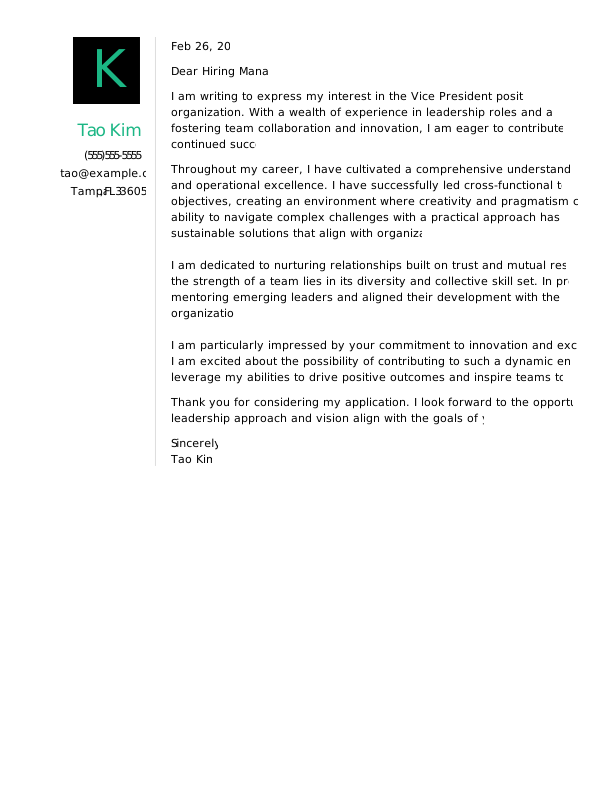
Vice President Cover Letter: Examples & Templates
As a vice president you re expected to lead with vision and s...
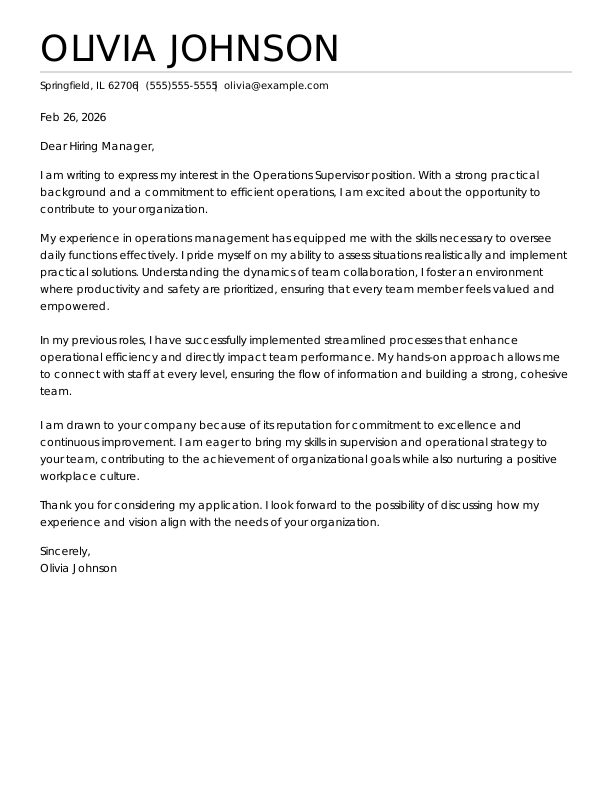
Operations Supervisor Cover Letter: Examples & Templates
As an operations supervisor you need a cover letter that high...
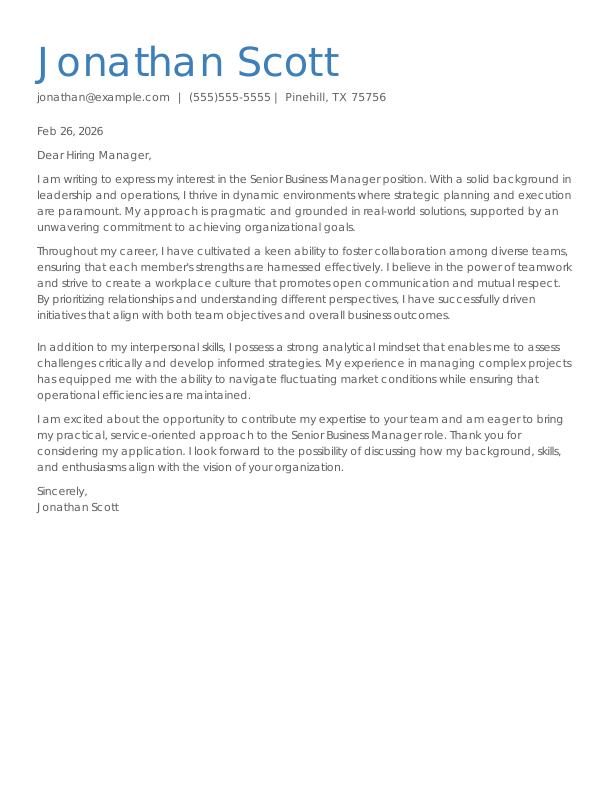
Senior Business Manager Cover Letter: Examples & Templates
As a senior business manager you must highlight your leadersh...
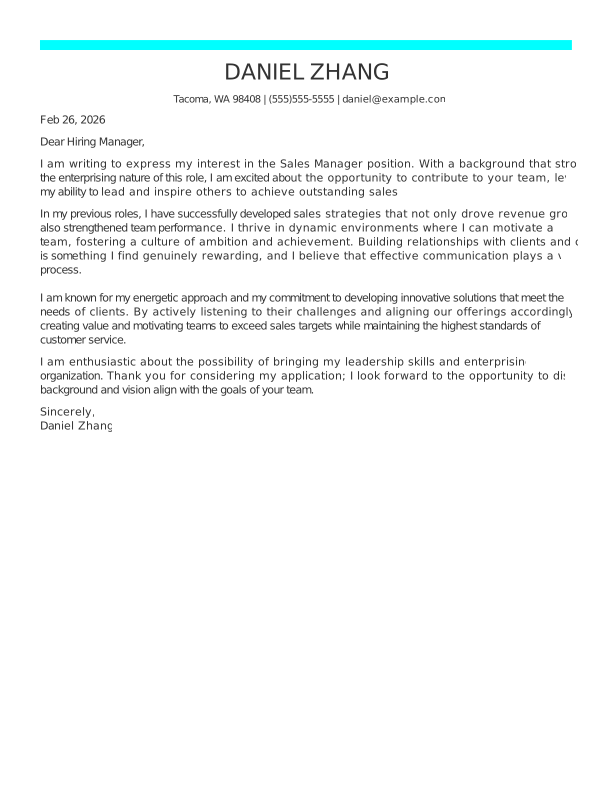
Sales Manager Cover Letter: Examples & Templates
As a sales manager you need to present a cover letter that hi...
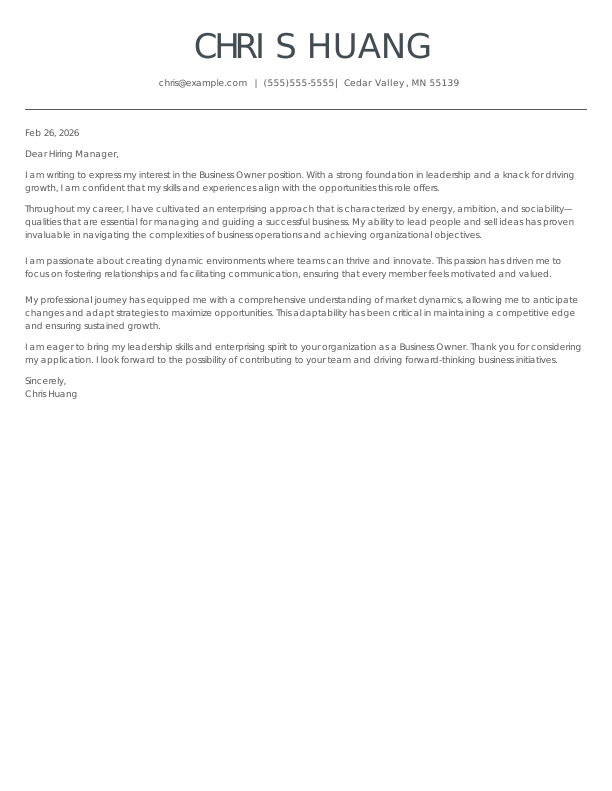
Business Owner Cover Letter: Examples & Templates
As a business owner you must demonstrate to potential partner...
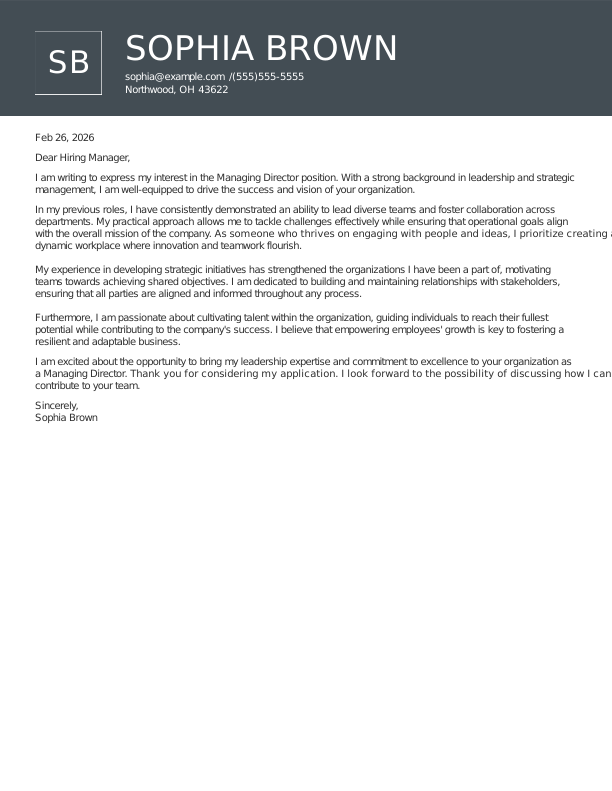
Managing Director Cover Letter: Examples & Templates
As a managing director you need a cover letter that highlight...
 Get the job 2x faster*
  Customize your cover letter